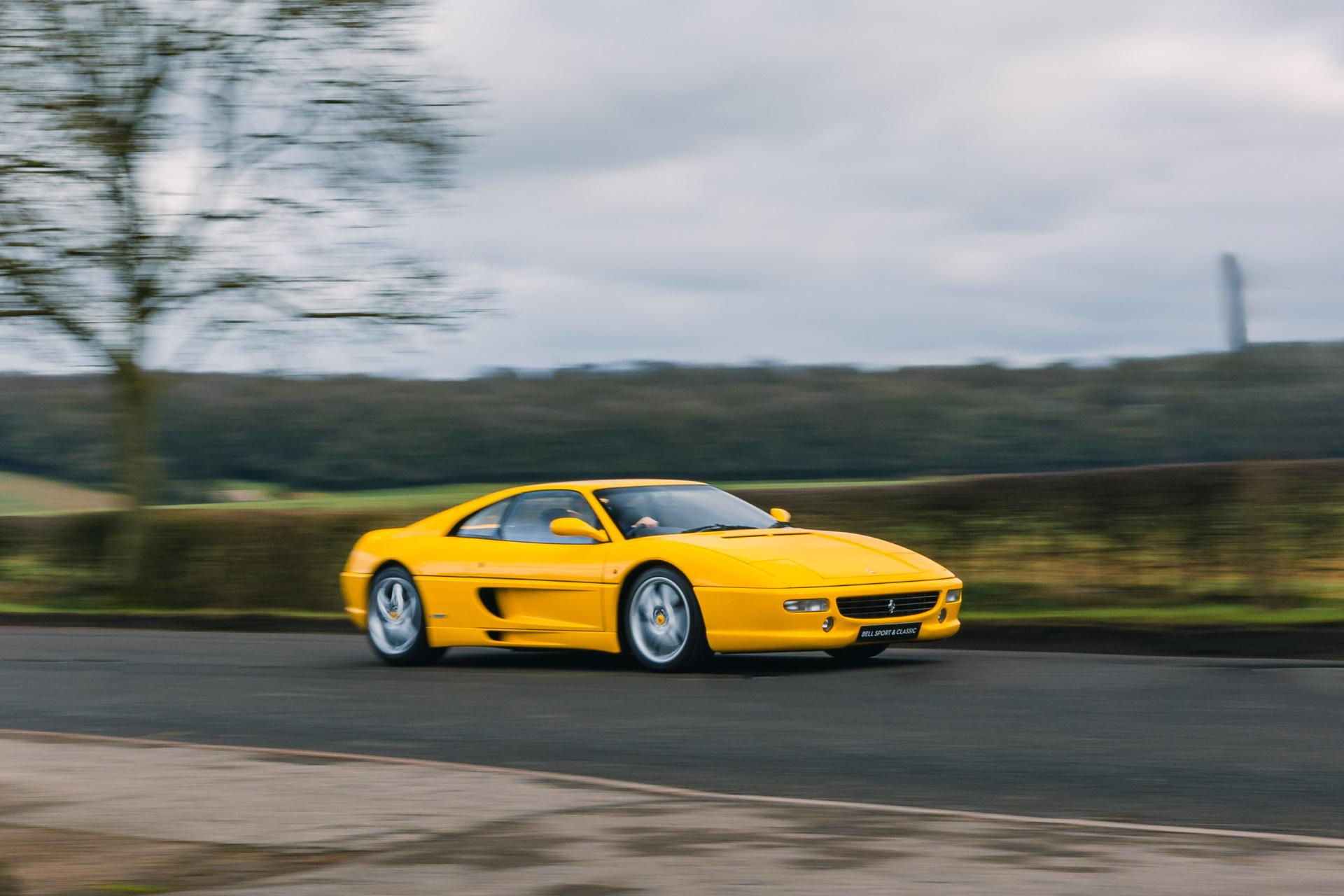
Ferrari 355 F1: The Car That Changed the Way We Drive
The story of how two Ferrari engineers helped bring Formula 1 gearbox technology to the road, and why the Ferrari 355 F1 deserves a rather special place in motoring history and your car collection.
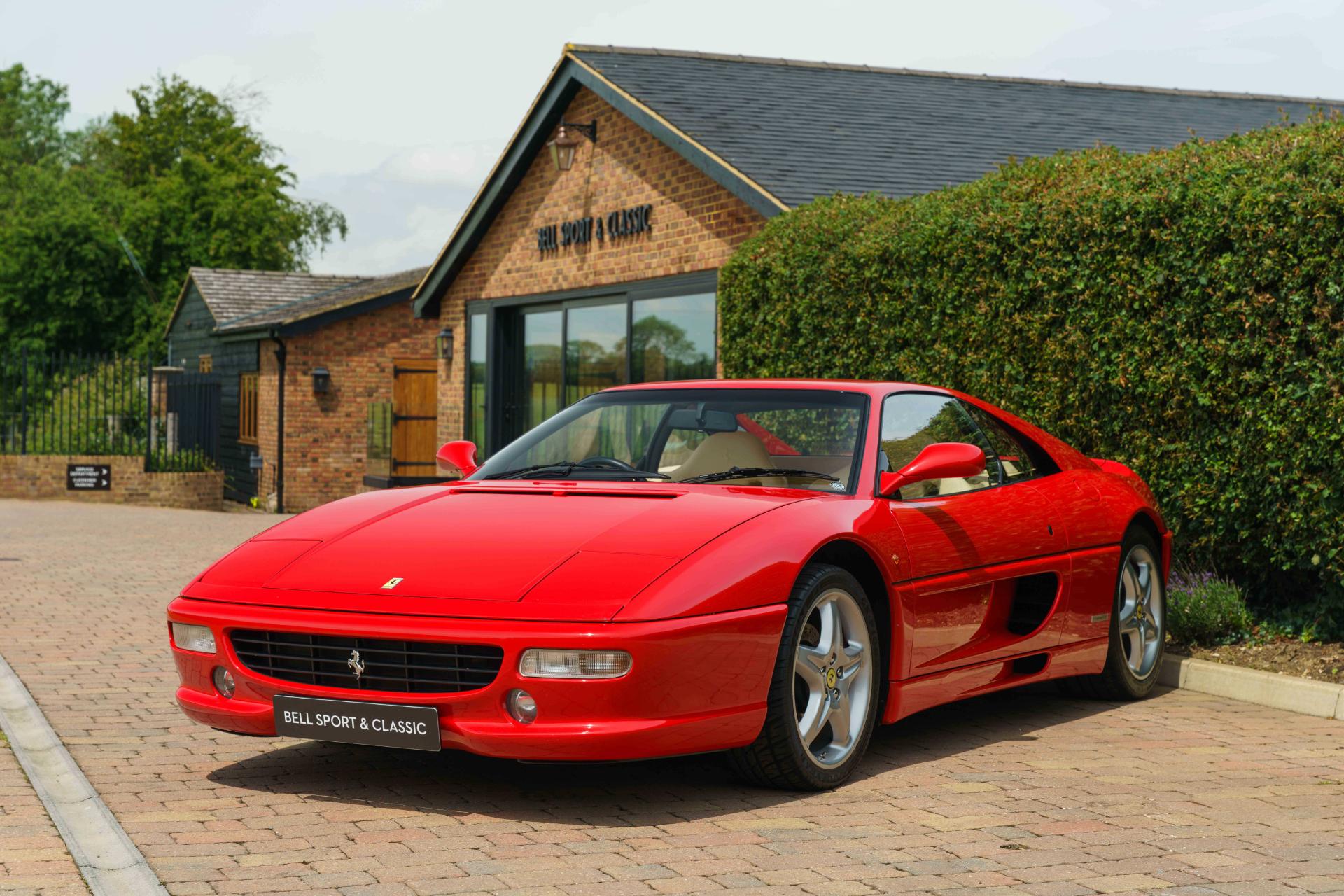
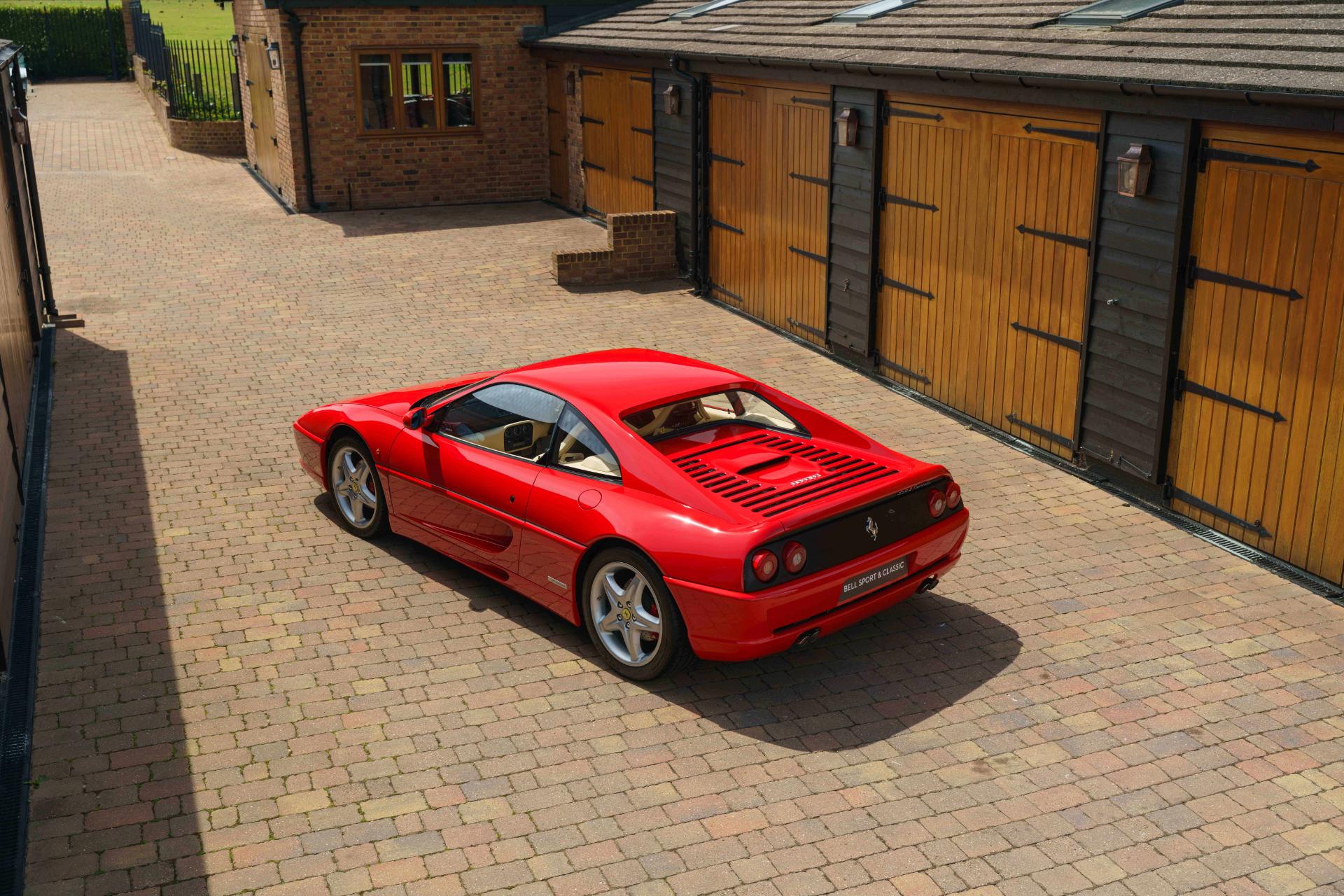
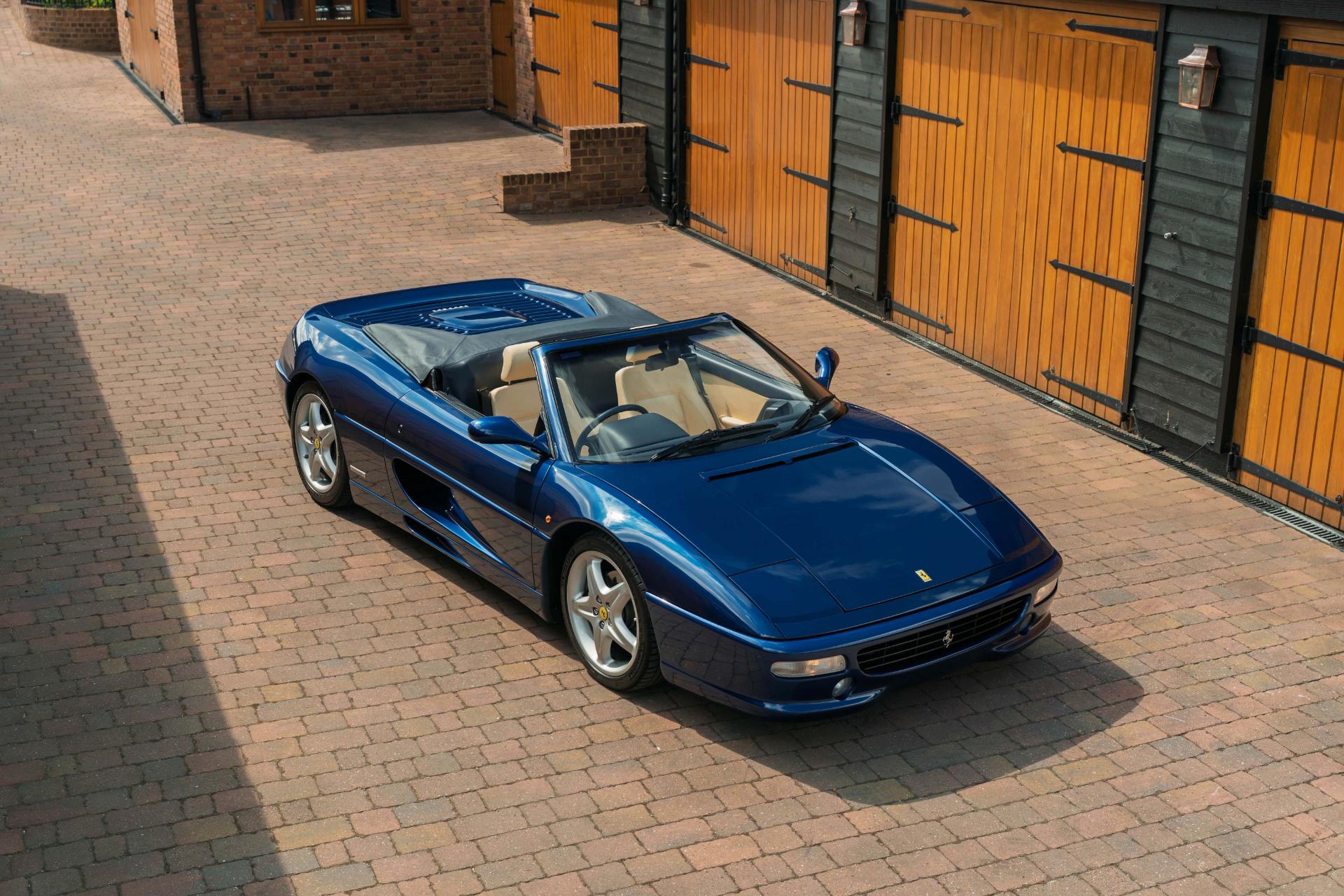
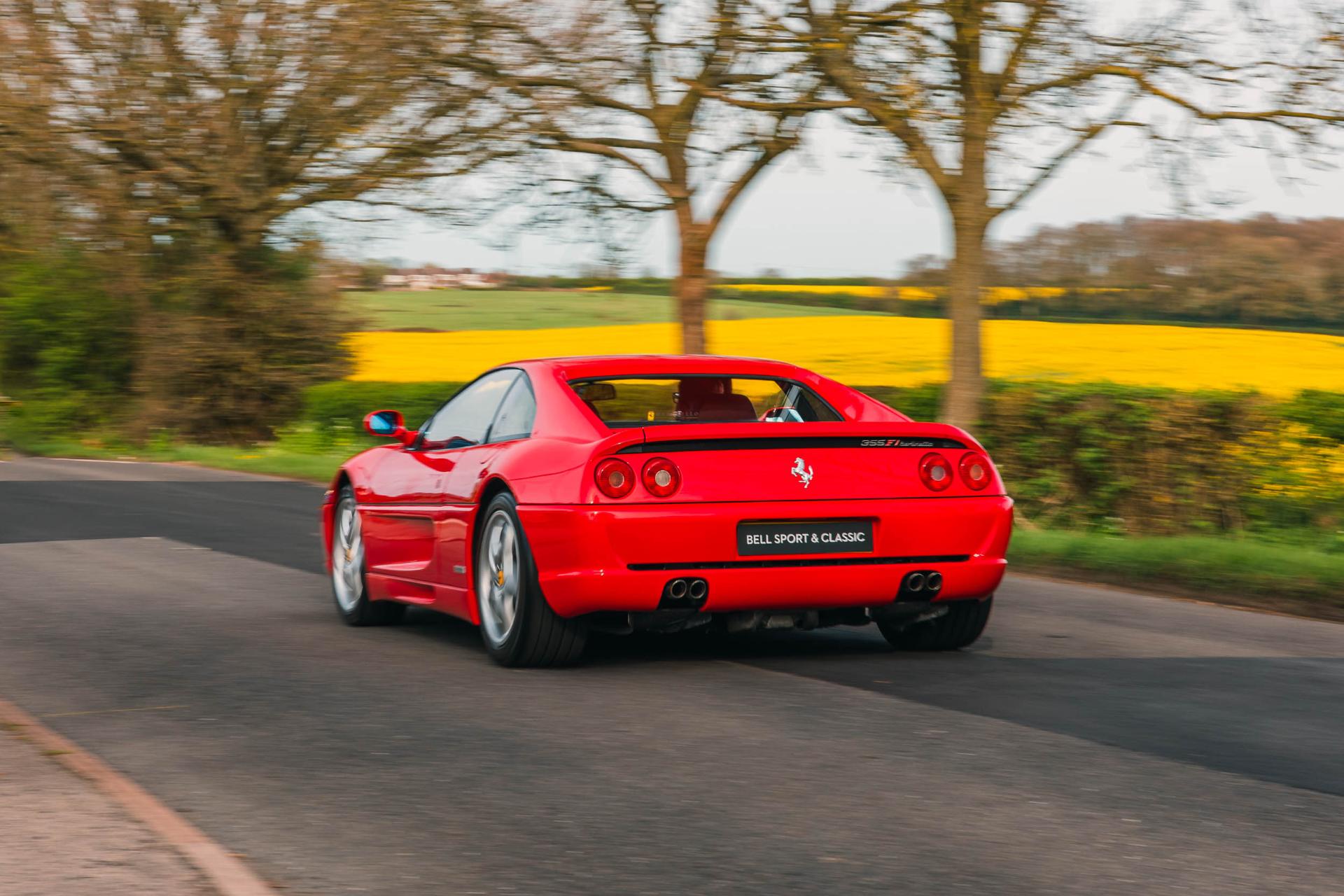
When Ferrari unveiled the 355 F1 at the Frankfurt Motor Show in September 1997, it marked a significant turning point in the development of the performance road car.
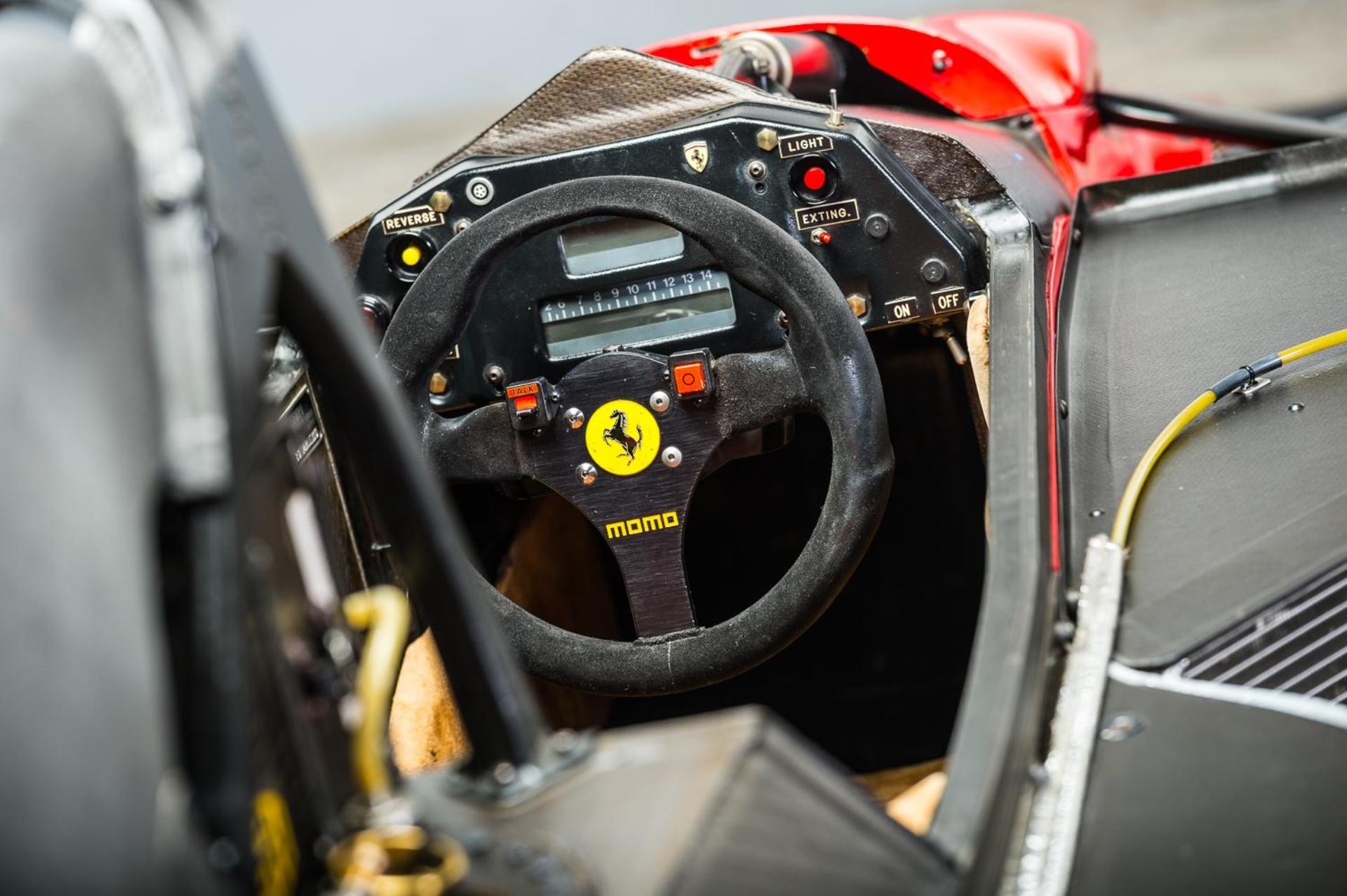
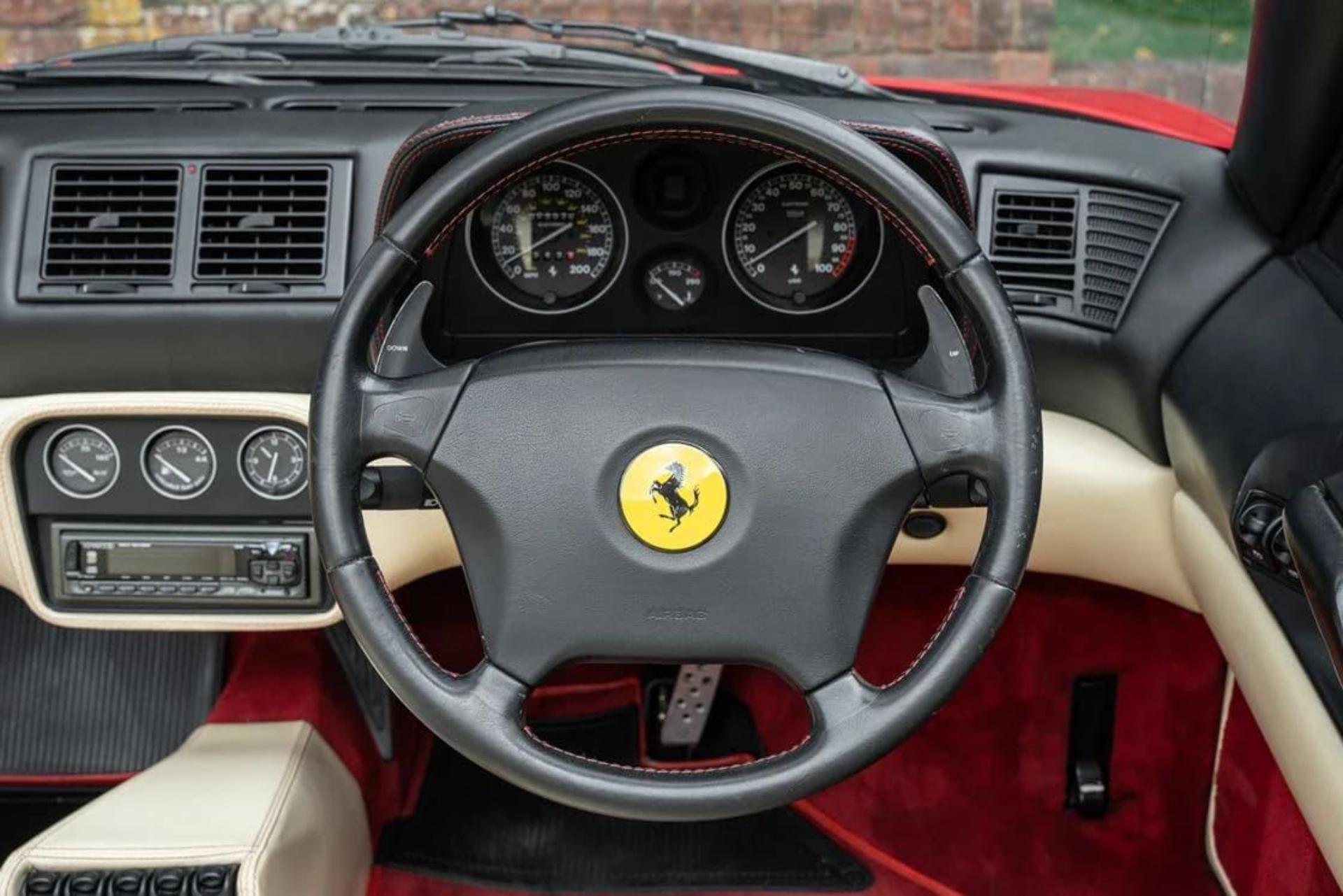
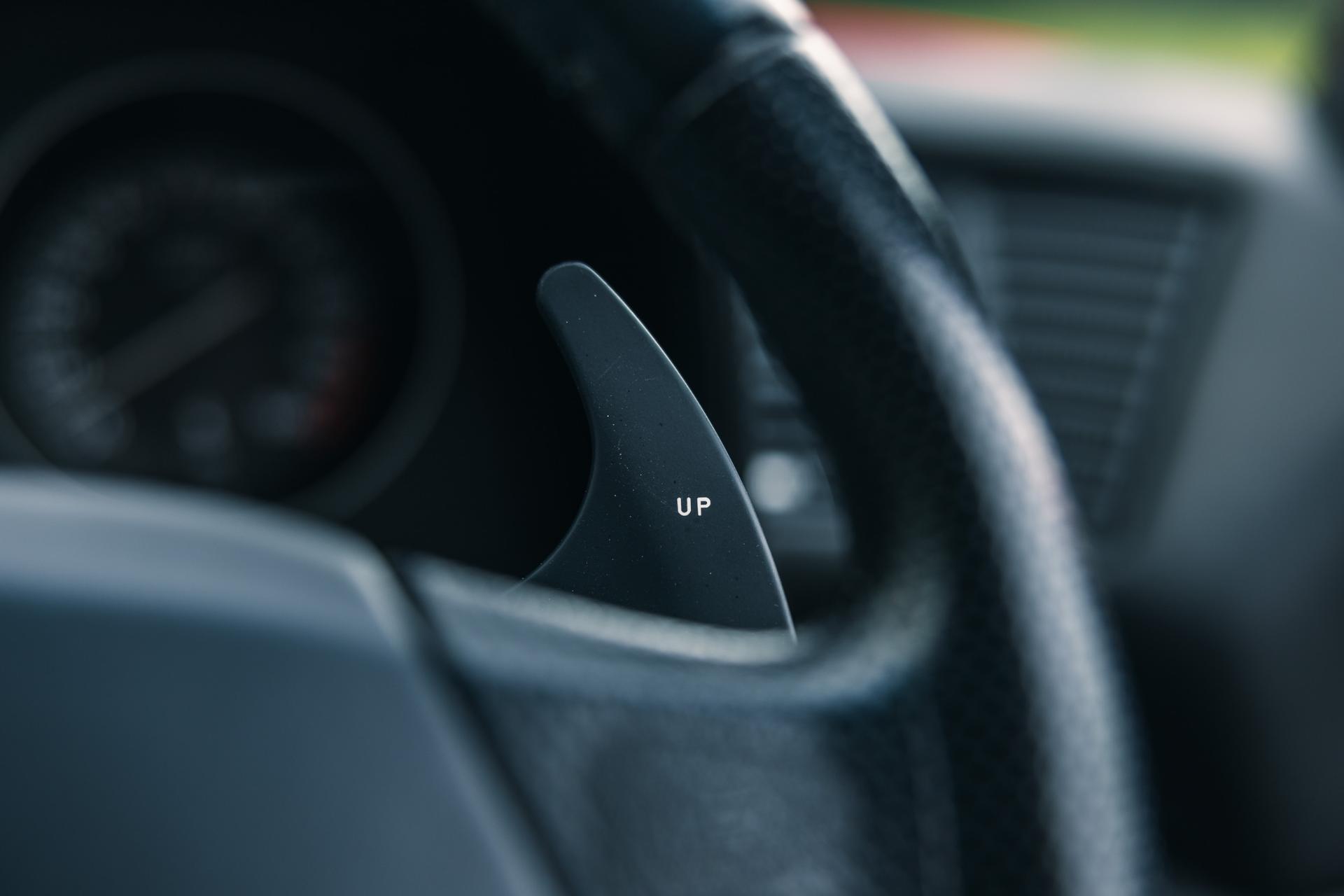
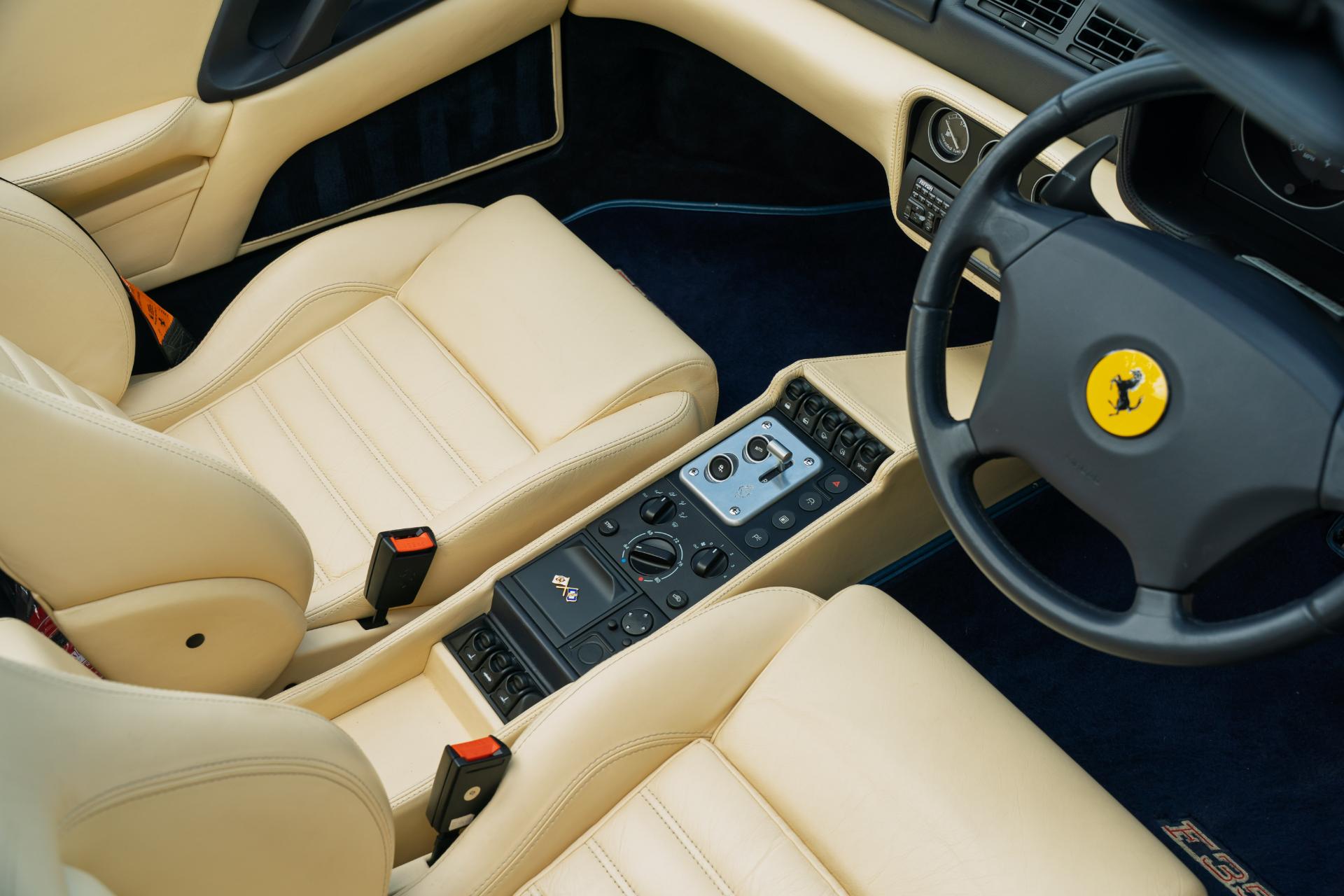
For the first time, a production car offered Formula 1 paddle-operated gear selection. Two paddles behind the steering wheel replaced Ferrari’s famous open-gate gear lever, giving drivers access to split second, clutch pedal-less gear changes without taking their hands off the wheel.
Today, that sounds entirely ordinary. In 1997, it was anything but.
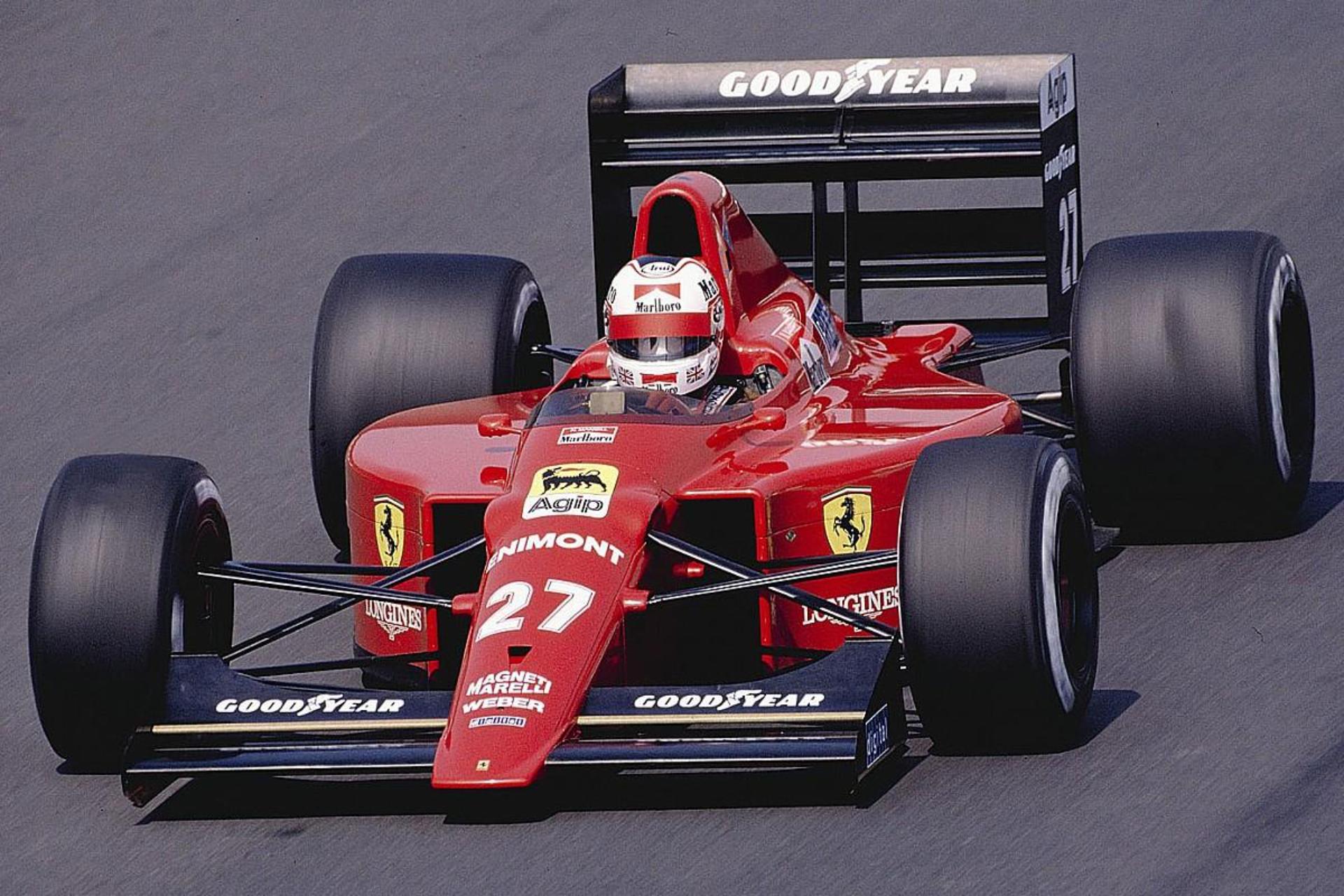
The technology had already been proven in Formula 1, most famously when Nigel Mansell won the 1989 Brazilian Grand Prix in the John Barnard-designed Ferrari 640, the first F1 car to compete successfully with a paddle-operated semi-automatic gearbox.
But turning that racing technology into something suitable for a road car was a different challenge altogether. And the story of how Ferrari achieved it centres on two engineers whose contribution is perhaps less widely recognised than it should be: Paolo Martinelli and Claudio Lombardi.
From the Pit Lane to the Production Line
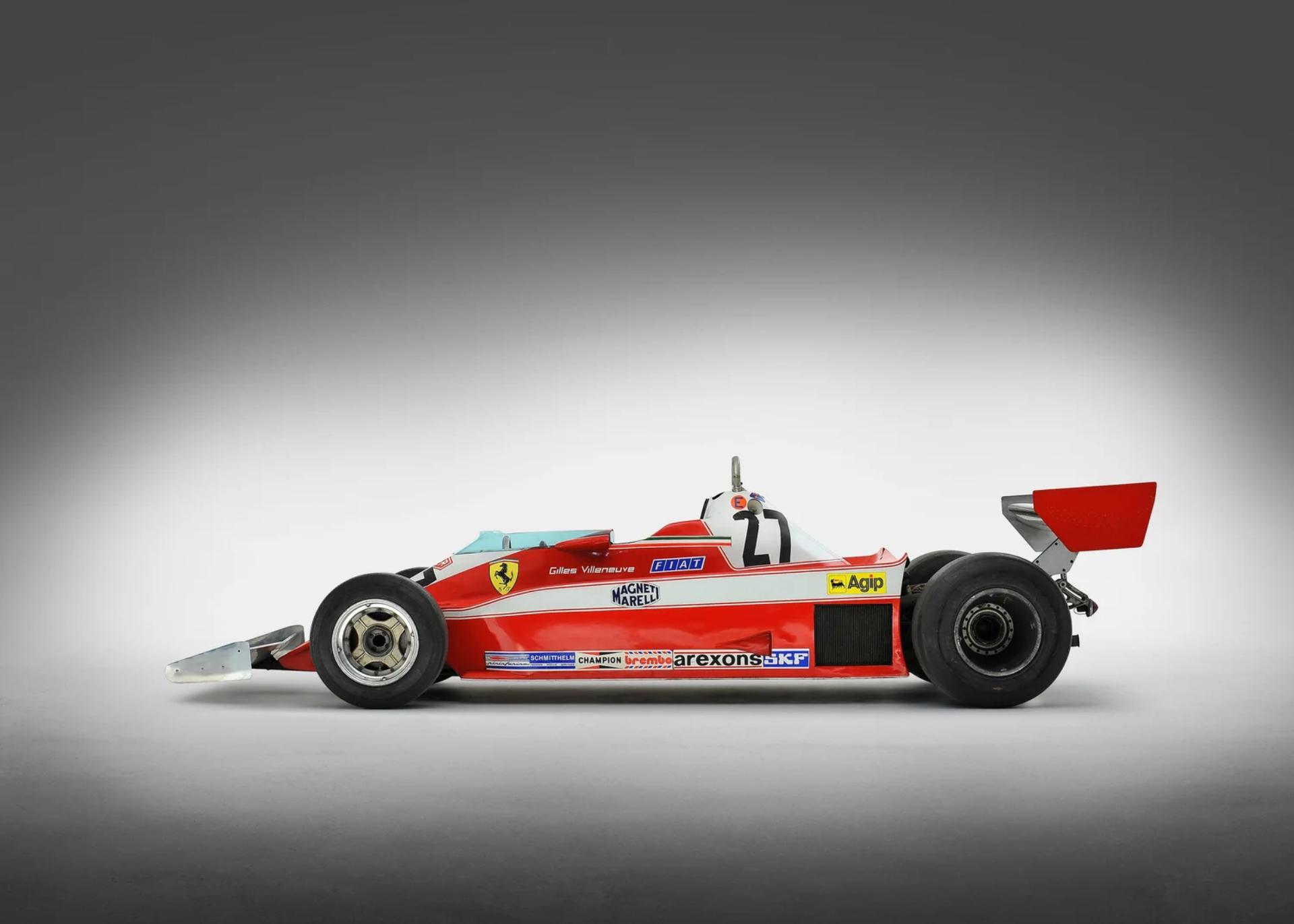
Ferrari had been experimenting with hydraulically operated gear selection as far back as 1979, when legendary engineer Mauro Forghieri developed an experimental system for a Formula 1 car that was tested by Gilles Villeneuve in a Ferrari 312 T3 test car.
A decade later, John Barnard took the concept considerably further. His revolutionary 1989 Ferrari 640 used electronically controlled hydraulic actuators to change gear, dispensing with the traditional gear lever and allowing its driver to concentrate on braking, steering and acceleration.
The advantages were obvious. Faster, more consistent changes, less interruption to the delivery of power and no need for the driver to remove a hand from the steering wheel.
But a Formula 1 gearbox operates in a very different environment from that of a road car. Racing transmissions are designed around outright performance, frequent maintenance and drivers operating at the limits of the machinery. A road-going Ferrari needs to work just as effectively negotiating traffic or manoeuvring into a garage as it does accelerating towards the red line.
Making that possible required considerably more than fitting a couple of paddles behind the steering wheel.
The Martinelli–Lombardi Project
During the early 1990s, Ferrari engineer Paolo Martinelli began exploring how the principles established in Formula 1 could be adapted for production use.
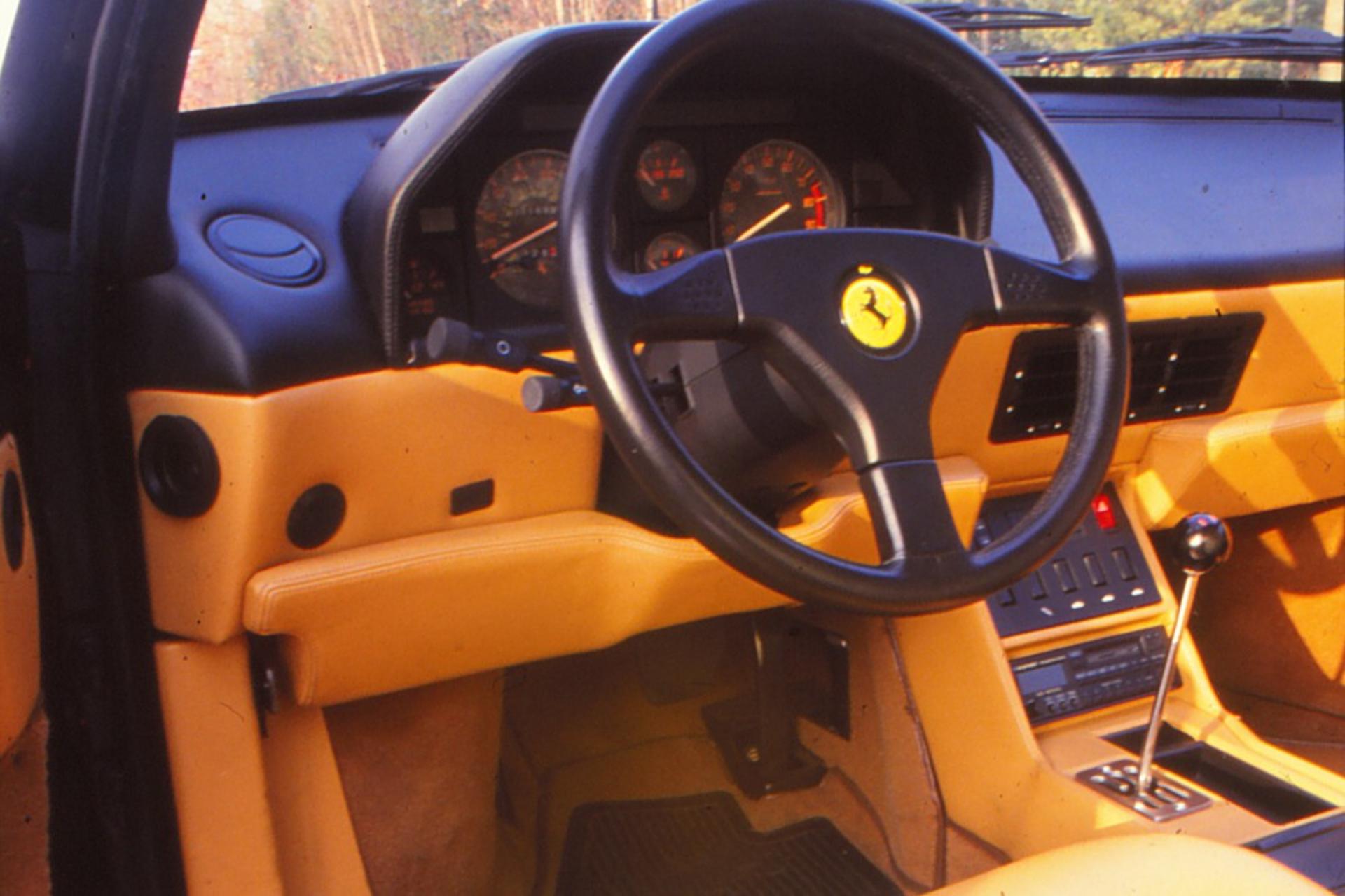
Ferrari had already taken an important step with the Mondial t Valeo, which featured an electronically controlled clutch but retained a conventional manual gear lever. Martinelli recognised that the logical next step was to automate the gear-selection process as well.
The challenge was to develop a system capable of coordinating the clutch, gearbox and engine management electronically, delivering quick and accurate changes while remaining sufficiently smooth and dependable for normal road use.
When Martinelli moved to Ferrari’s Formula 1 engine programme in 1994, responsibility for the road-car transmission passed to Claudio Lombardi.
Lombardi oversaw the next stage of development, bringing together expertise from Magneti Marelli, Fiat’s research operations and software specialists at the University of Bologna.
It was a serious engineering programme, involving mechanical, hydraulic and electronic systems that all needed to communicate and operate in fractions of a second.
The result was not simply a racing gearbox transplanted into a road car. Ferrari retained the F355’s conventional six-speed manual transmission, but developed an electrohydraulic system to operate the clutch and select gears in response to commands from the driver.
The gearbox itself remained fundamentally mechanical. The intelligence lay in the way it was controlled.
150 Milliseconds That Changed Everything
The production Ferrari 355 F1 made its debut in September 1997.
Pulling the right-hand paddle requested an upshift; the left requested a downshift. An electronic control unit coordinated the clutch, gear selection and engine response, completing changes in as little as 150 milliseconds under suitable conditions.
It also brought something else to the performance-car world: the ability to change the character of a transmission through software.
Drivers could choose between different operating modes, including a Sport setting for more aggressive changes and an automatic mode for less demanding driving. Electronic safeguards helped prevent inappropriate downshifts and potentially damaging over-revving. It was a remarkable achievement for a production car of the period.
The 355 F1 demonstrated that a road car could offer the kind of electronically coordinated gear selection previously associated with top-level motorsport. It removed the physical process of changing gear from the driver’s responsibilities while retaining the mechanical character and efficiency of a manual transmission, and in doing so, it established an entirely new direction for performance-car development.
The Beginning of a Revolution
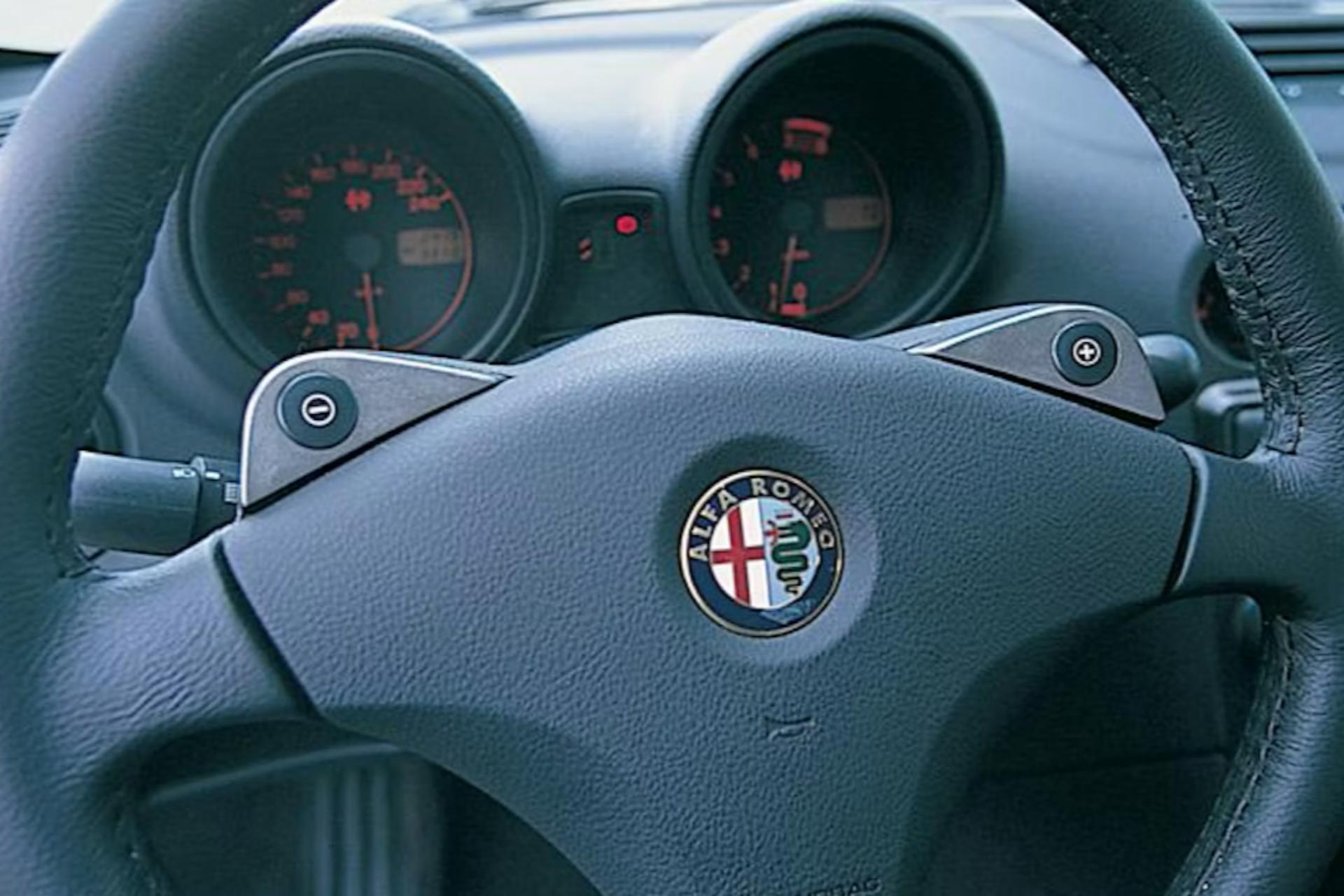
Within two years, Ferrari had introduced an evolved version of the F1 gearbox in the 360 Modena, while Alfa Romeo was offering its closely related Magneti Marelli-developed Selespeed transmission in the 156.
The technology continued to evolve rapidly.
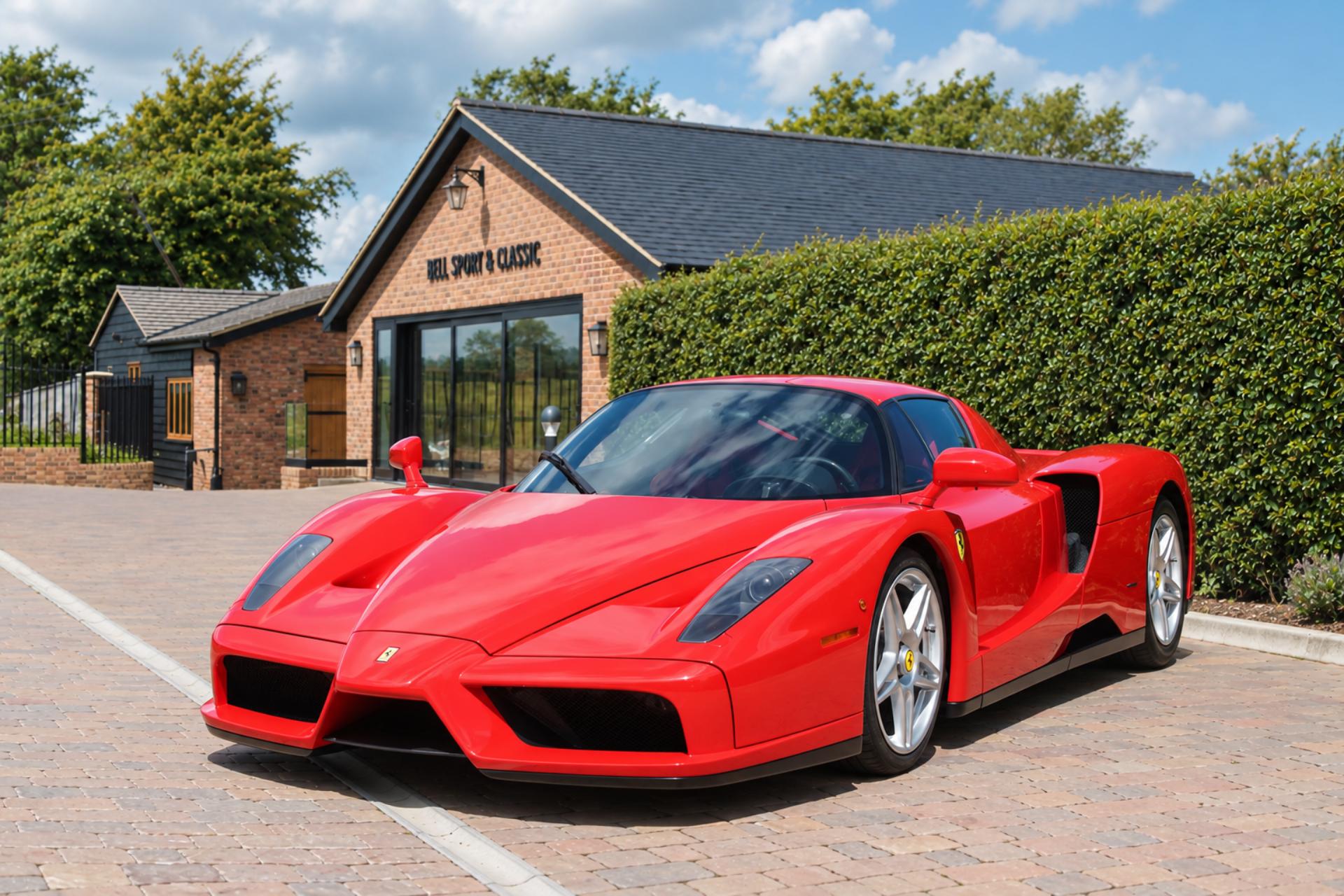
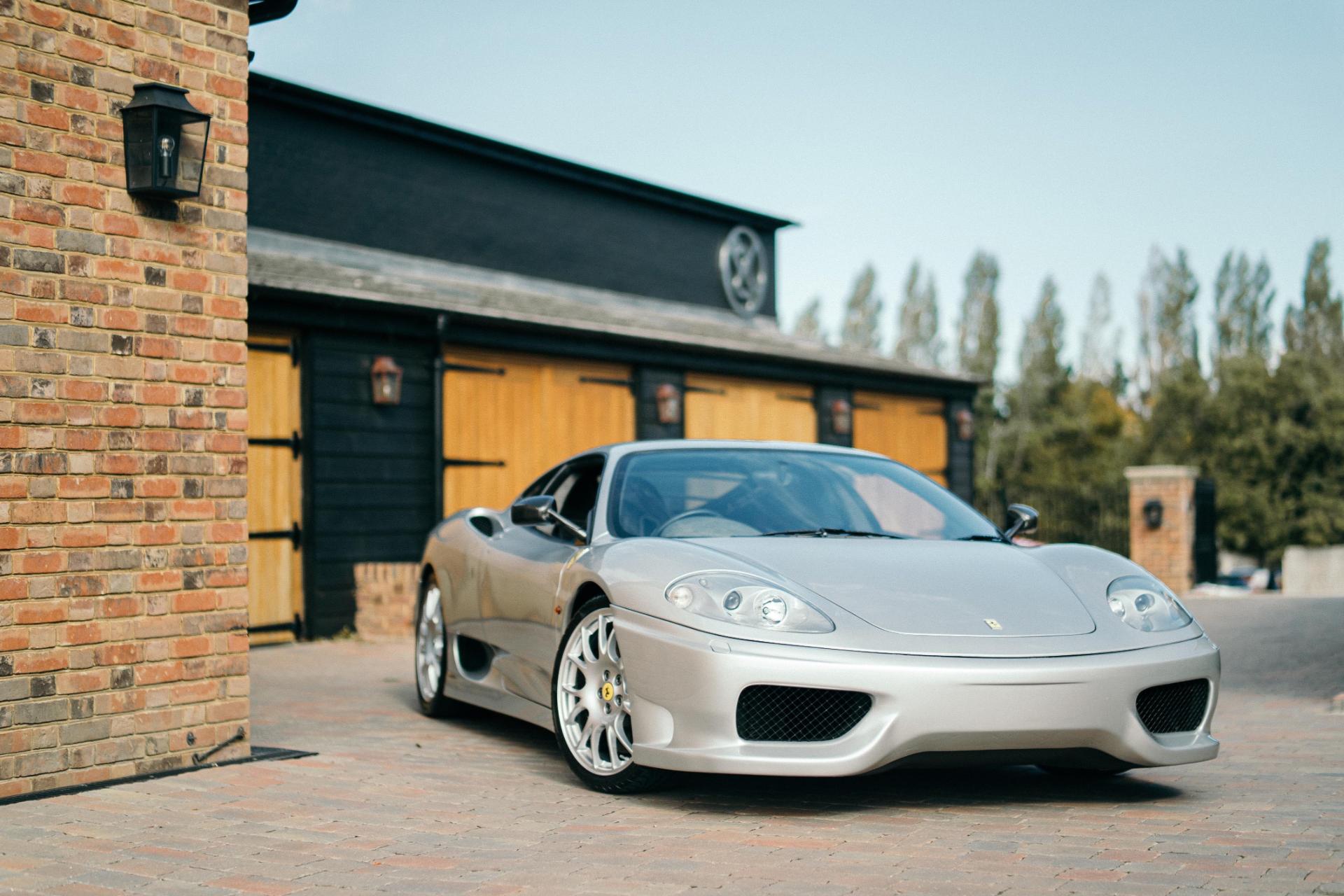
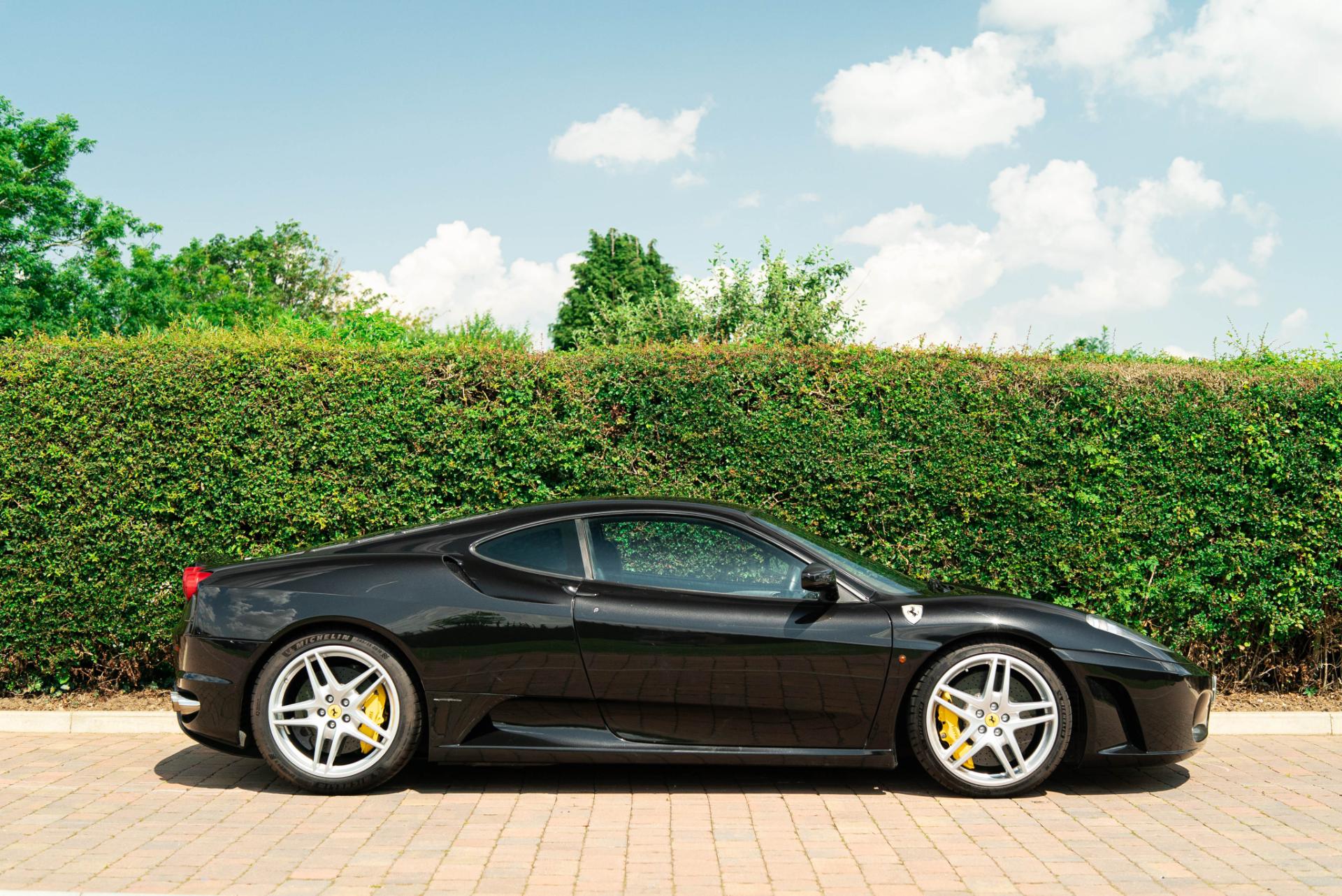
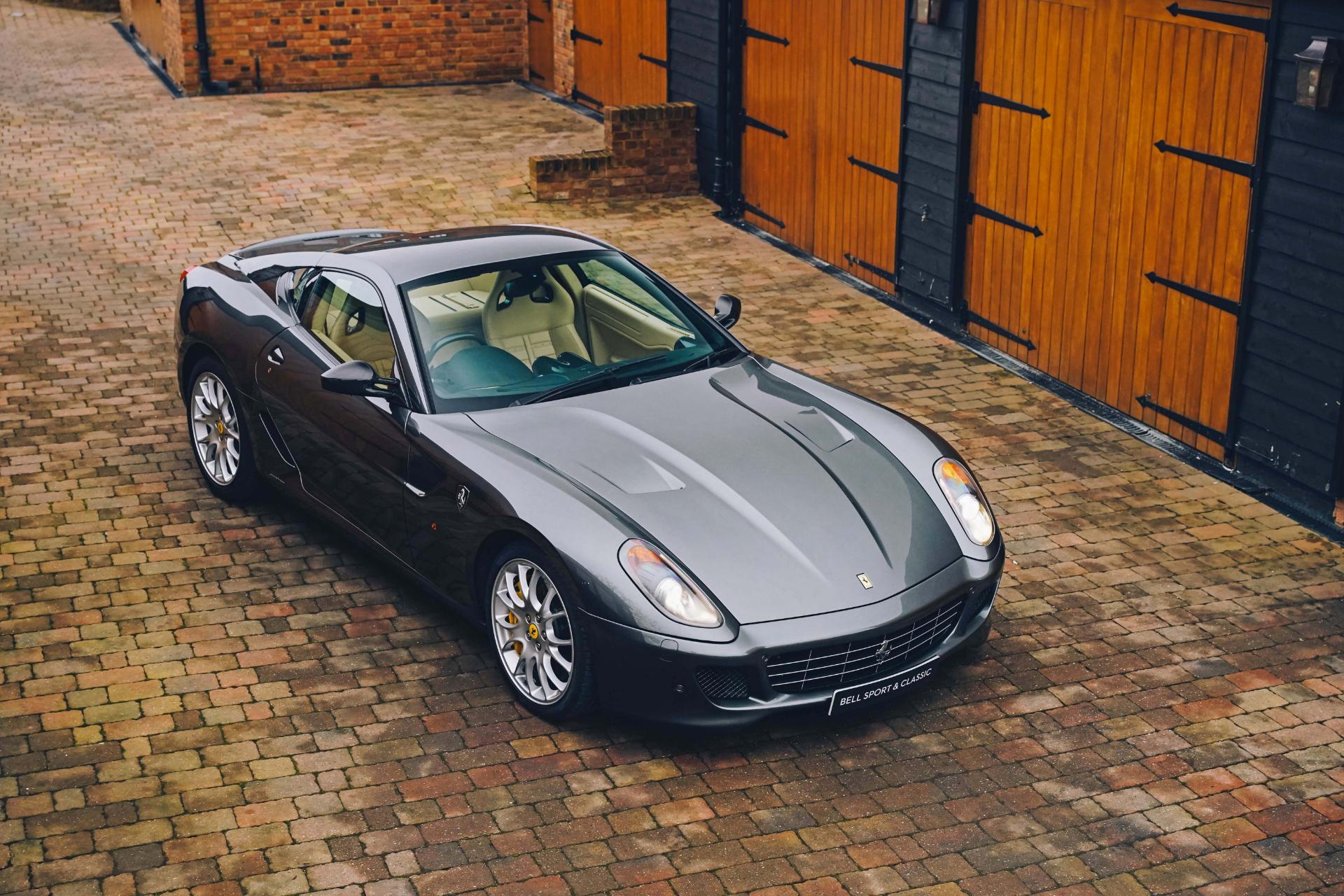
The Ferrari Enzo, 360 Challenge Stradale, F430 and 599 GTB Fiorano would all take paddle-operated shifting further, with increasingly sophisticated electronics and progressively faster changes.
Eventually, Ferrari moved to dual-clutch transmissions, beginning with the California and followed by the 458 Italia. These offered greater refinement and even faster shifts, while retaining the paddle-operated interface that had become central to the modern Ferrari driving experience.
Other manufacturers followed their own development paths, but the broader change was unmistakable. Across the supercar industry, electronically controlled paddle-shift transmissions gradually replaced the conventional manual gearbox as the preferred solution for outright performance.
What had seemed revolutionary in the 355 became normal practice.
A Different Kind of Collectable Ferrari
Almost thirty years later, there is a certain irony in the way the Ferrari 355 market has developed. The traditional six-speed manual, with its beautiful exposed metal gate and wonderfully mechanical shift action, has become the version most commonly sought by collectors. It represents everything enthusiasts love about the analogue Ferrari driving experience.
And rightly so.
But there is another way of looking at the 355 F1.
While the manual celebrates the culmination of one era, the F1 represents the beginning of the next.
It is the car that took technology developed through Ferrari’s Formula 1 programme and introduced it to the production sports car in a form that would influence the entire industry.
Behind those two paddles sits a remarkable story of experimentation, engineering persistence and the work of people such as Paolo Martinelli and Claudio Lombardi, who helped turn a racing innovation into a practical road-car reality.
For anyone interested in the history of Ferrari, that gives the 355 F1 a significance that goes well beyond its driving experience or its position in today’s collector market.
And perhaps that’s what makes it so compelling. How often do you actually get the opportunity to own a genuine piece of motoring history? Not simply a desirable Ferrari, but the car that first brought Ferrari’s Formula 1-derived paddle-shift transmission technology to the production road car.
The 355 F1 isn’t just part of the story of the modern supercar. It’s one of the cars that helped write it.
And that’s quite something to have sitting in your garage.