From Poster Cars to Provenance: The UK Supercar Collector Market in 2026
The speculative heat may have left the wider classic-car market, but enthusiasm has not. Instead, 2026 has revealed a more discerning generation of collectors pursuing the cars that defined their youth and the driving experiences manufacturers can no longer recreate.
The UK collector market is now defined by selectivity. Merely good cars can remain unsold, while the rarest, best-specified and most historically significant examples attract intense competition. Lockton’s first-half 2026 analysis puts it succinctly: value must now be earned.
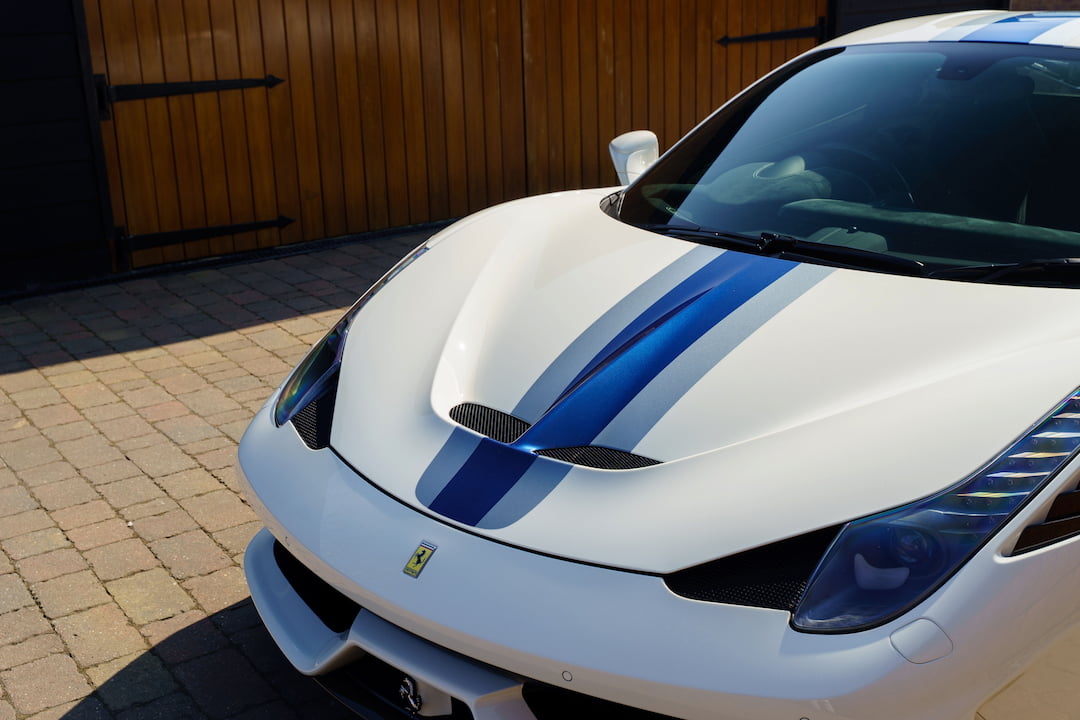
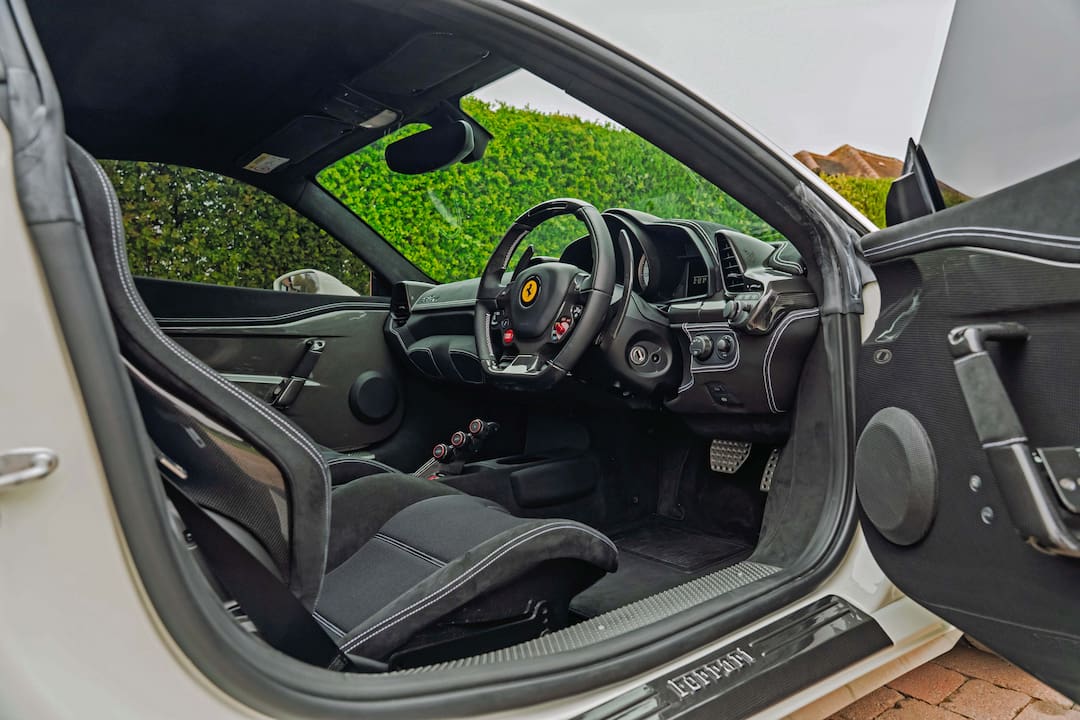
Ferrari remains one of the clearest indicators of this change, although it is far from alone. Buyers are moving away from the assumption that every low-mileage supercar is automatically an investment and towards cars offering something genuinely distinctive: mechanical character, cultural significance and an experience increasingly difficult to find in today’s hybrid and electric performance cars.
In other words, collectors are buying what cannot be built again.
The generational handover
Collector markets have always been shaped partly by nostalgia, but the period inspiring that nostalgia is moving forward. The generation that remembers Ferrari 250 GTOs racing at Goodwood is being joined and increasingly succeeded by buyers who watched Schumacher win for Ferrari and had an Enzo on their bedroom wall.
Gran Turismo, Top Gear, motoring magazines and internet forums are as culturally significant to these collectors as Le Mans and the Mille Miglia were to the generation before them. Now entering their peak earning years, these buyers are not searching for substitutes for traditional classics. They want the cars that shaped their own enthusiasm.
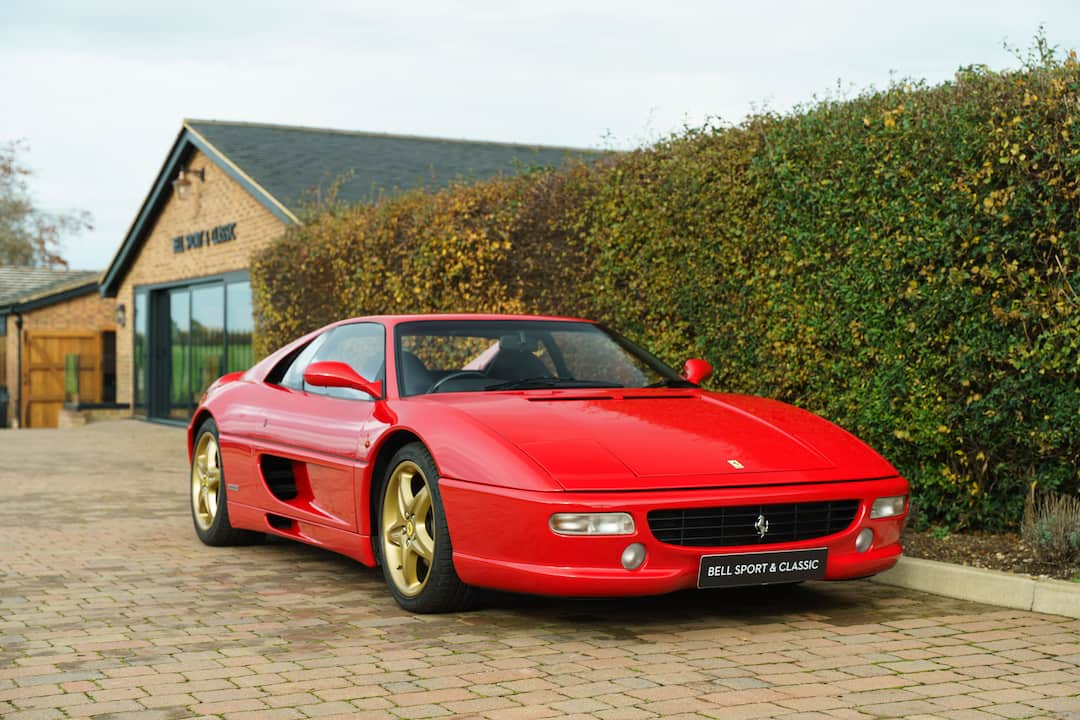
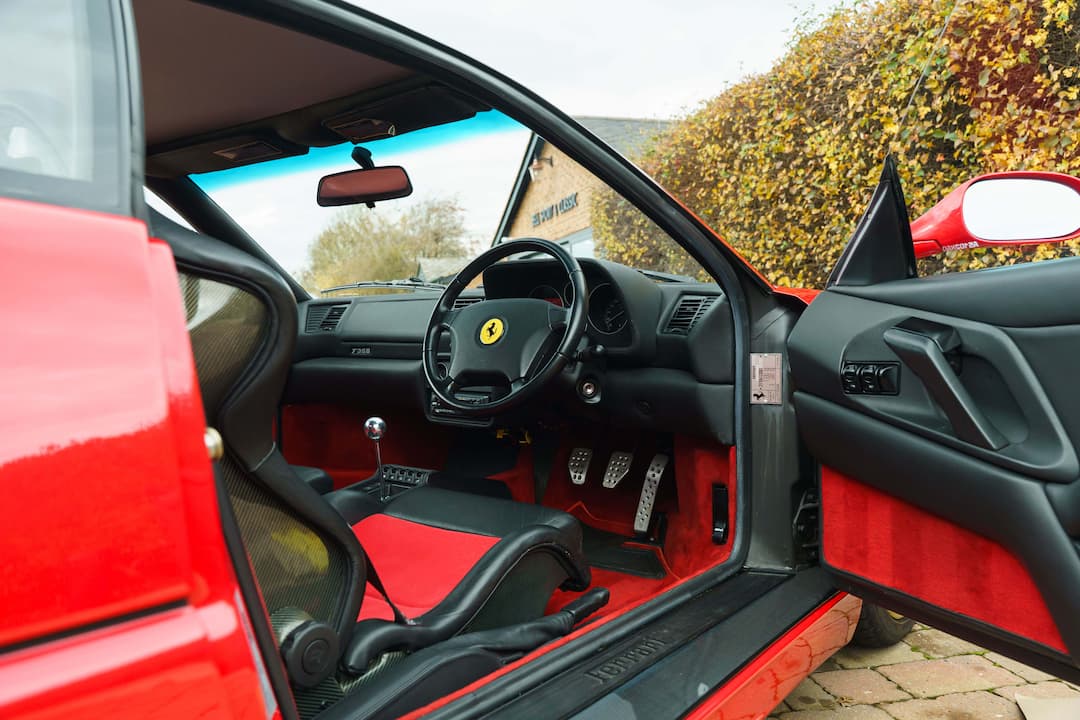
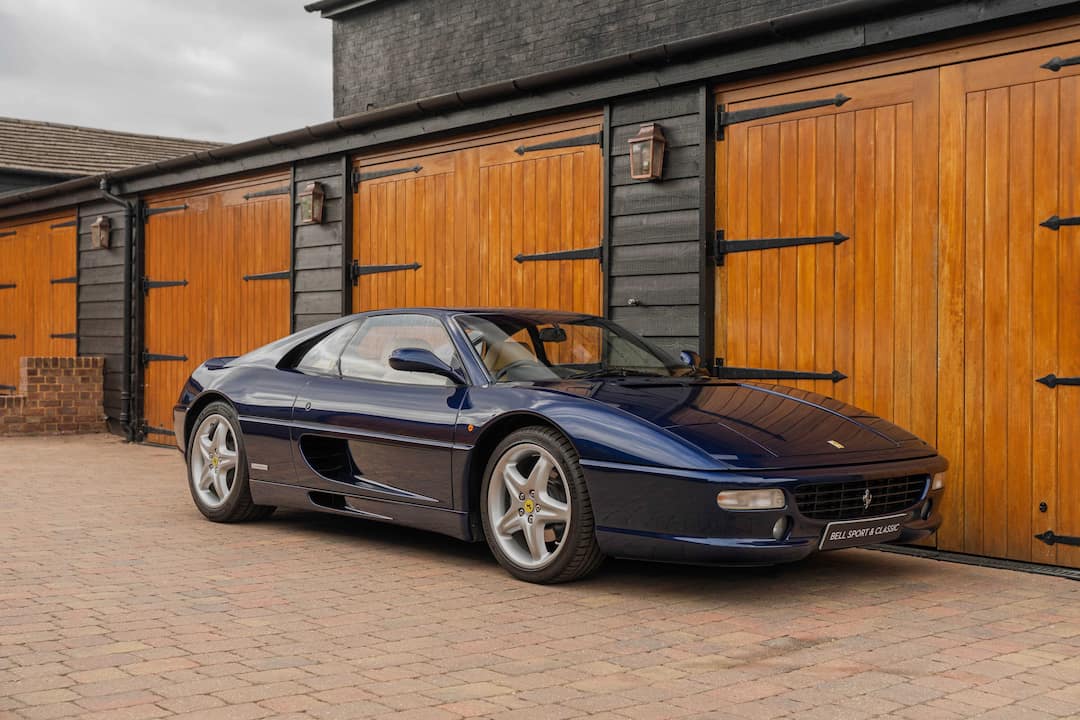
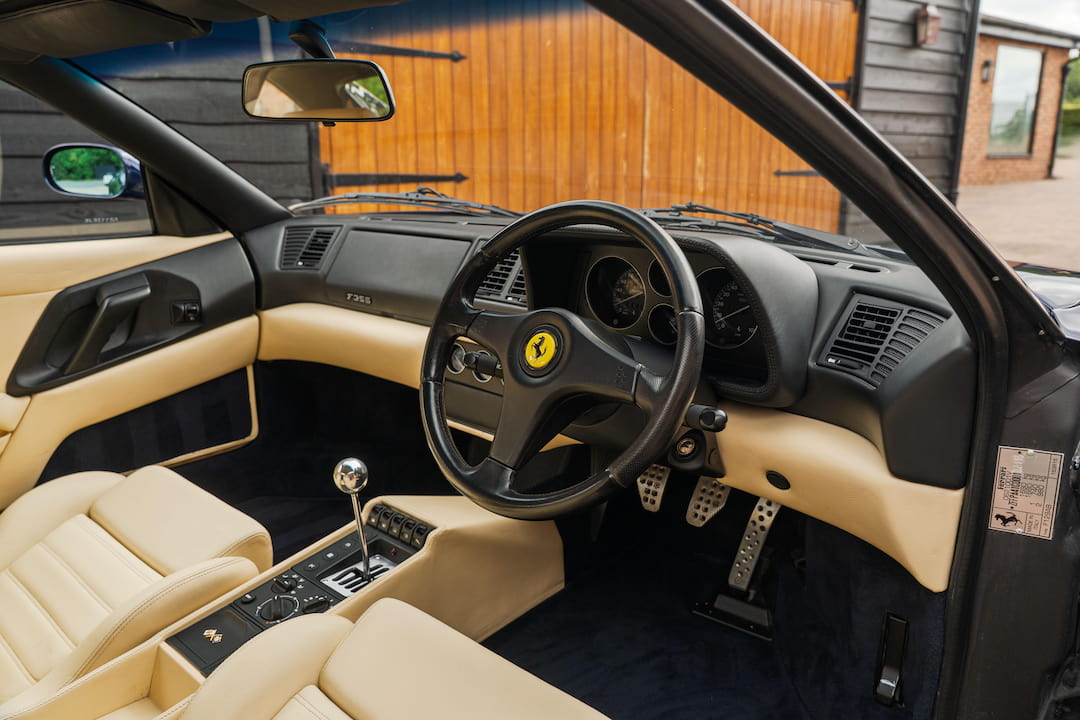
The Ferrari F355 illustrates the change perfectly. Its Pininfarina styling, compact proportions and soaring naturally aspirated V8 give it an identity that modern Ferraris struggle to reproduce. For years it was highly regarded but remained at the fringes of the serious collector market.
That has changed and what is particularly revealing is the upsurge in appreciation of F1 transmission as the market begins to prize the 355 as a model, not solely as a gated-manual curiosity. Condition, history and specification create enormous separation, but the best examples have decisively crossed from used supercar into recognised collector territory.
The post-2010 modern classic
The definition of a modern classic is also moving forward. A car built in 2010 is now 16 years old, and collectors are no longer waiting for an arbitrary 25- or 30-year threshold before recognising an important model.
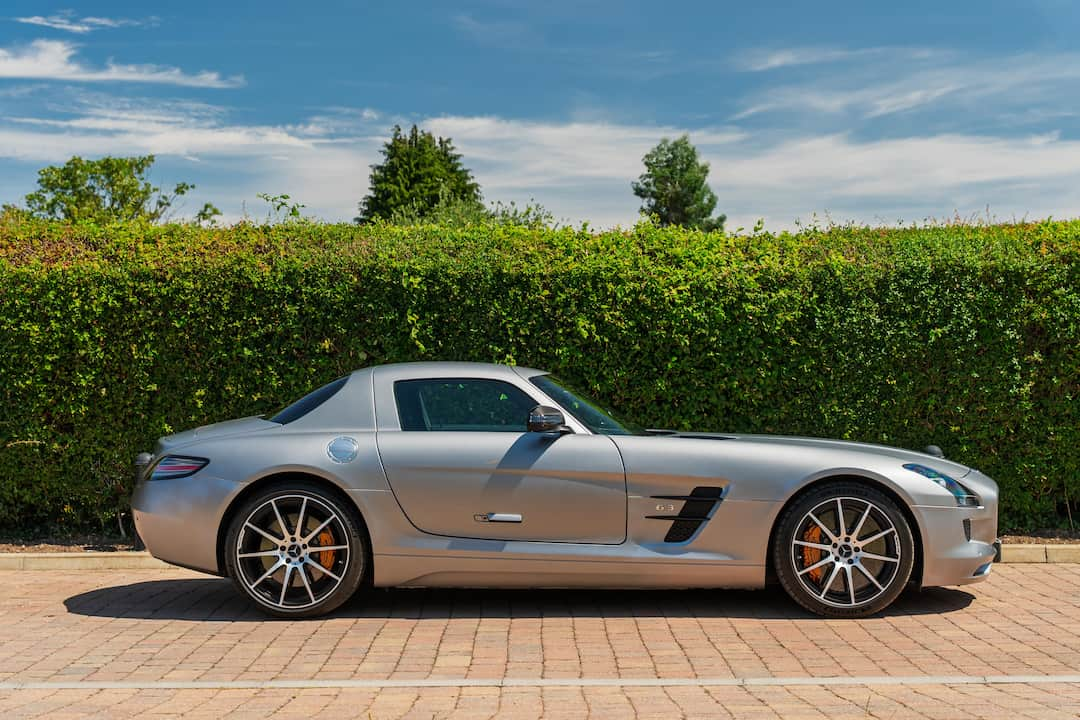
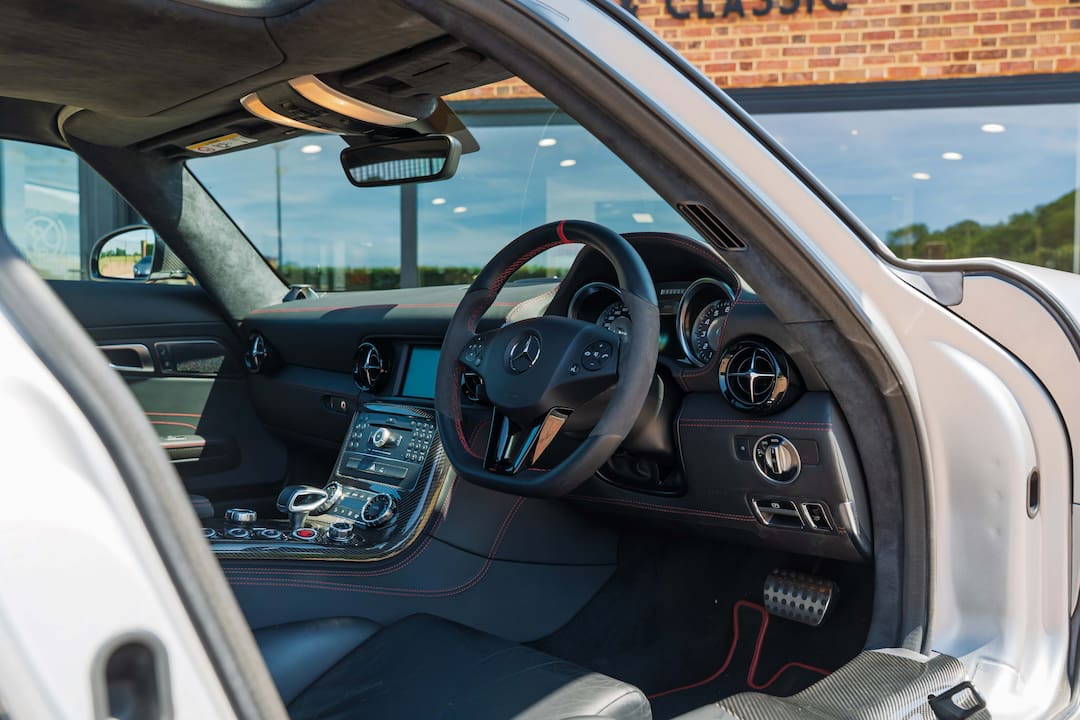
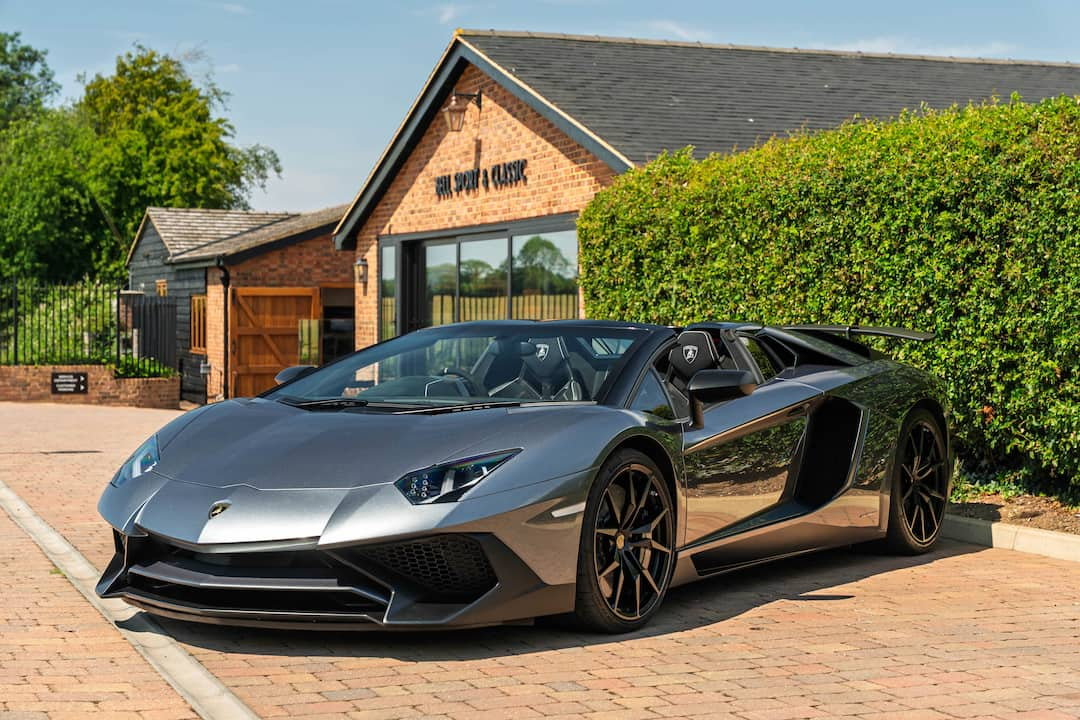
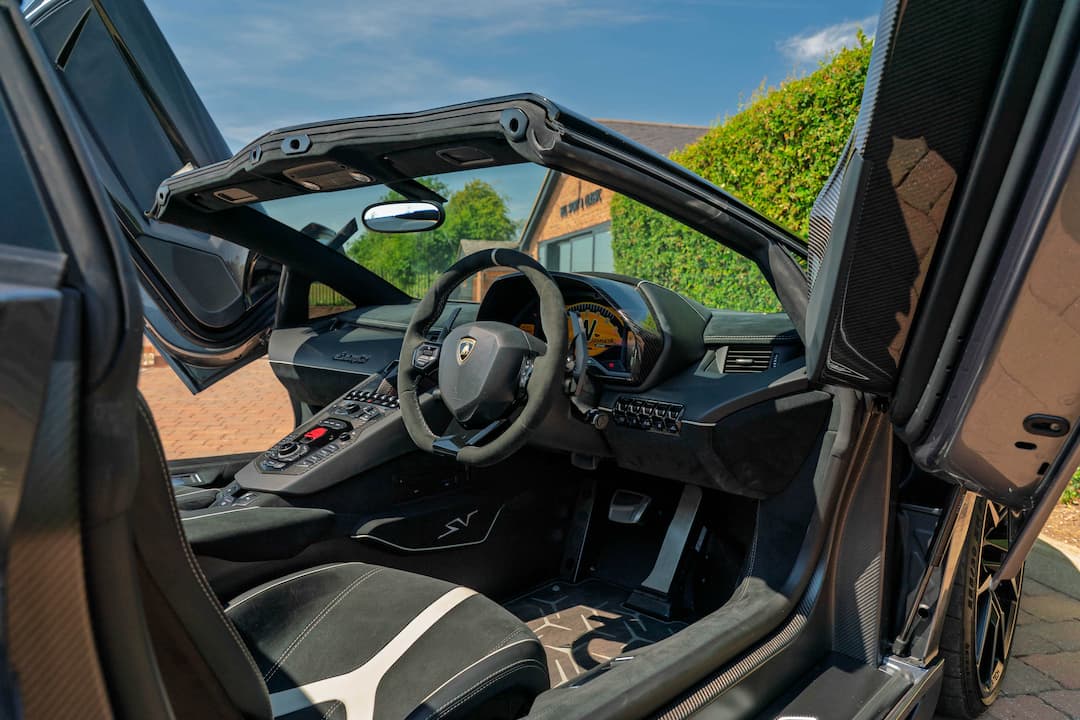
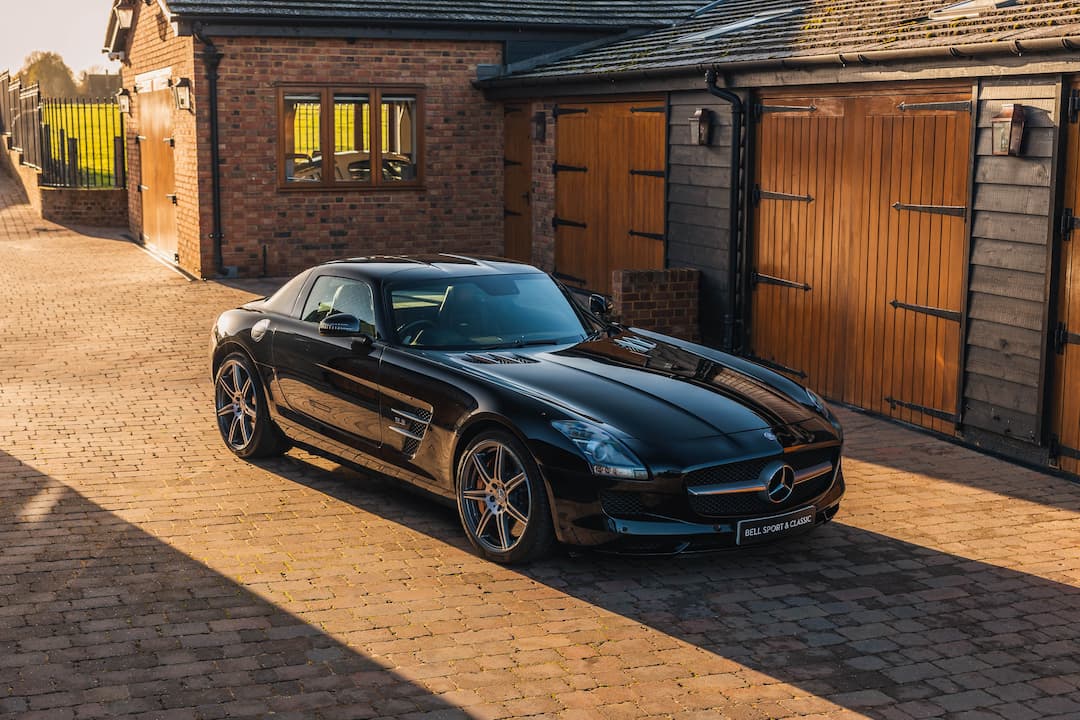
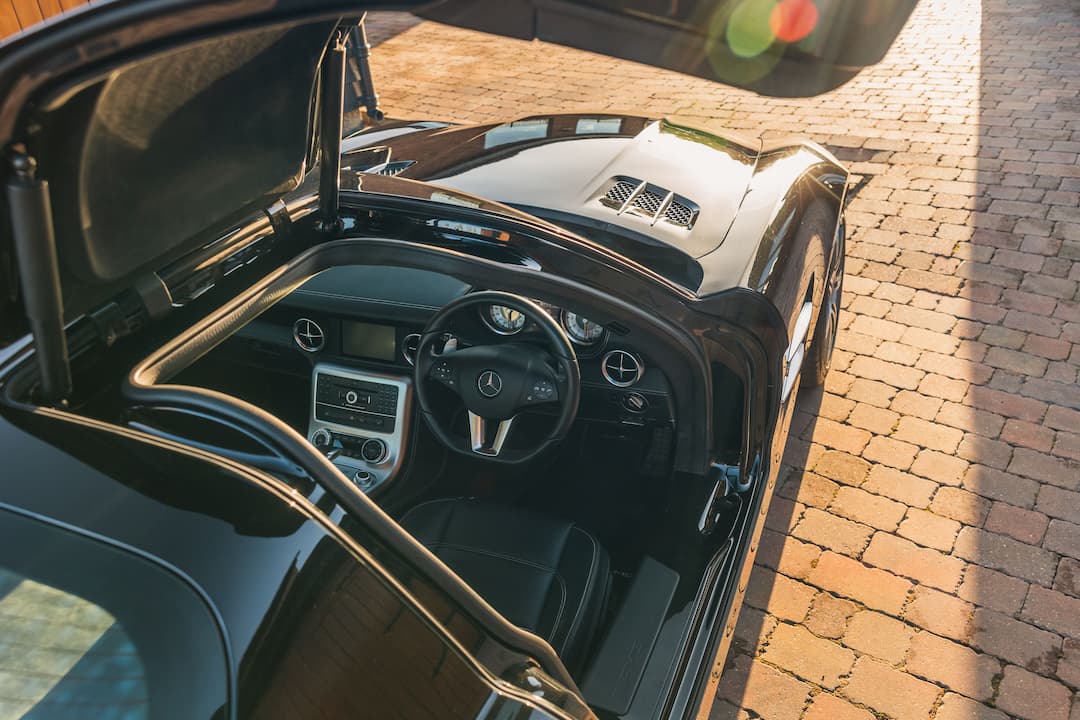
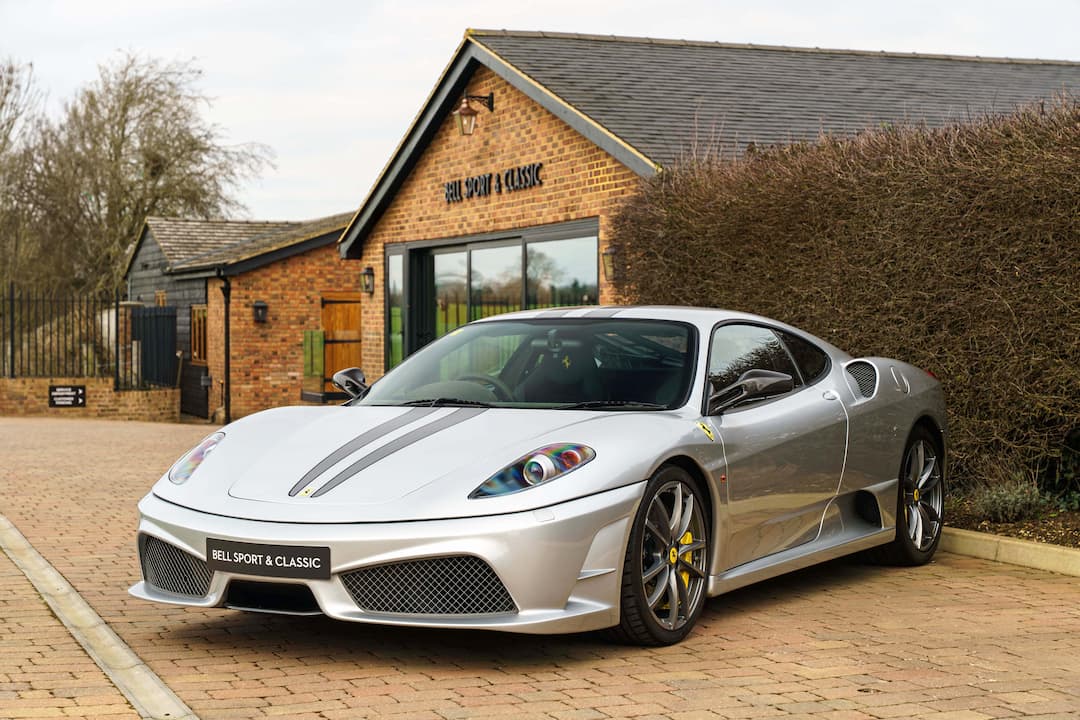
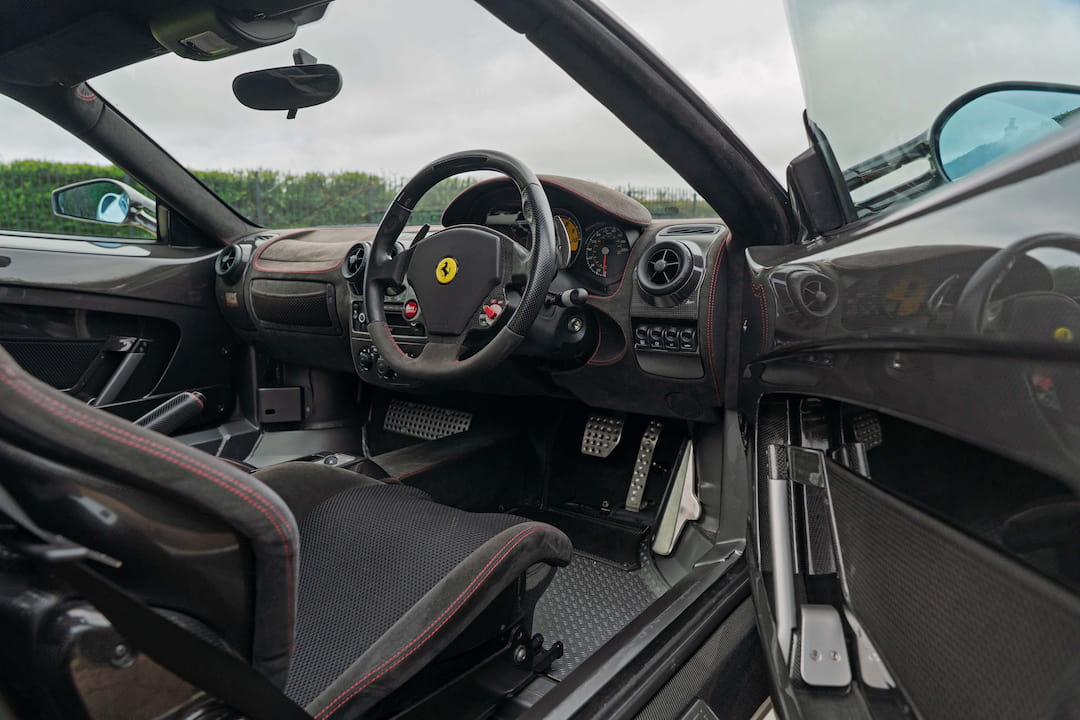
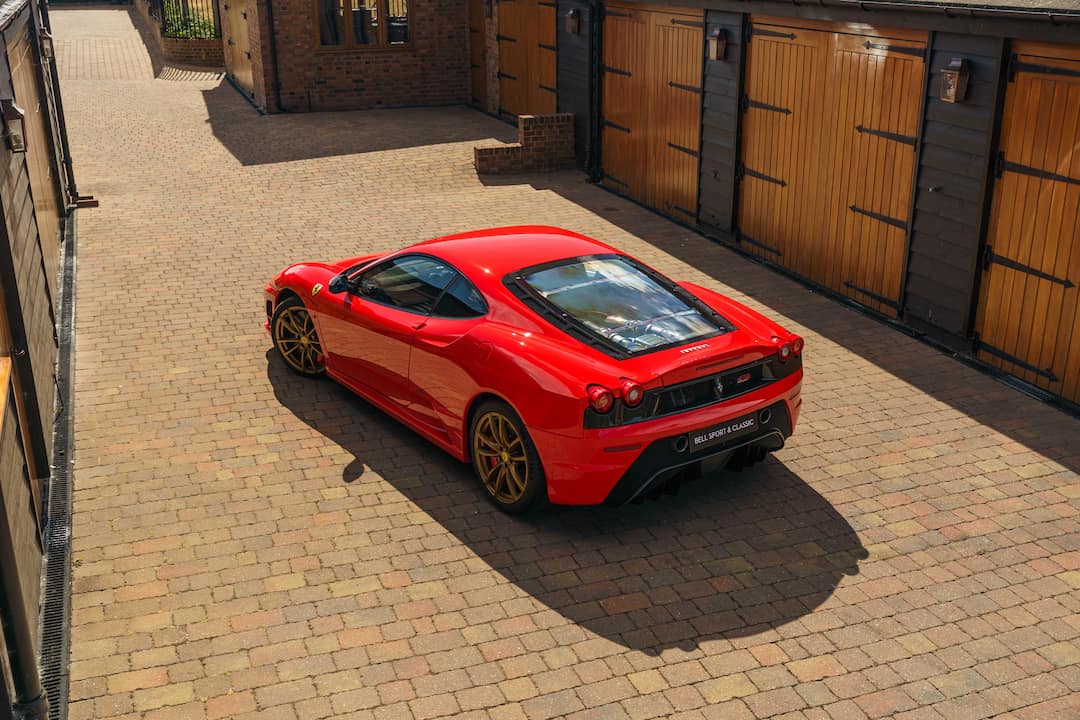
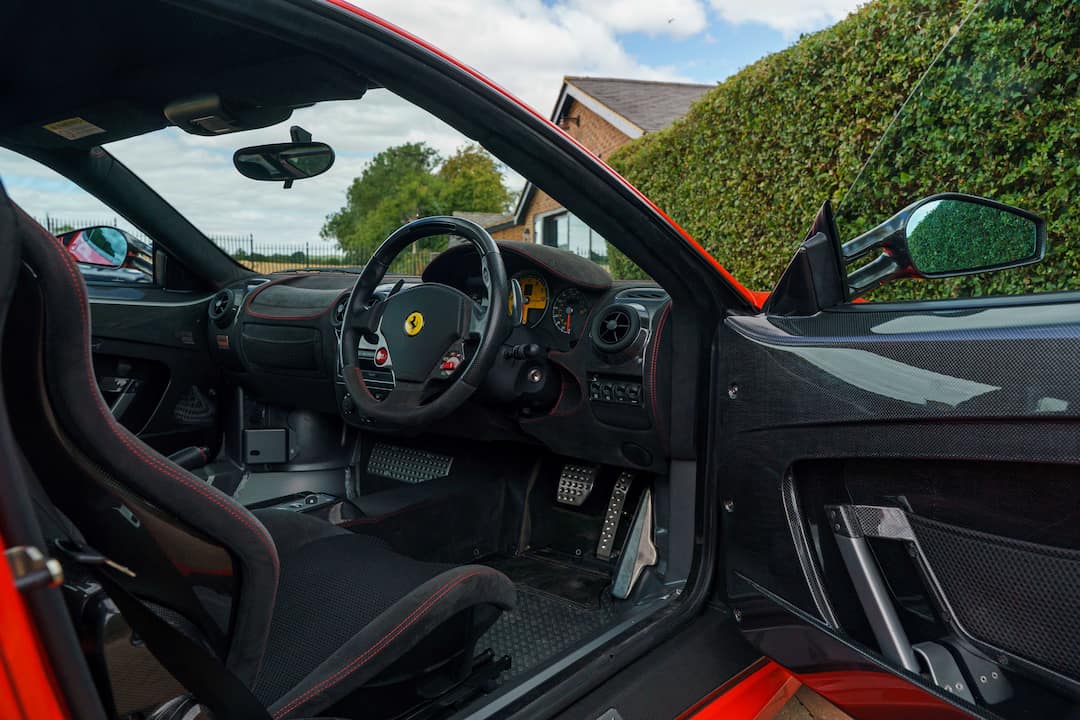
Cars such as the Ferrari 430 Scuderia, Mercedes-Benz SLS AMG and Lamborghini Aventador SV Roadster already behave more like collector cars than conventional used supercars.
They share several defining characteristics: a clear place in their manufacturer’s history, a distinctive engine or transmission, limited production or restricted UK supply, and a persuasive “last of its kind” or “first of a new era” narrative.
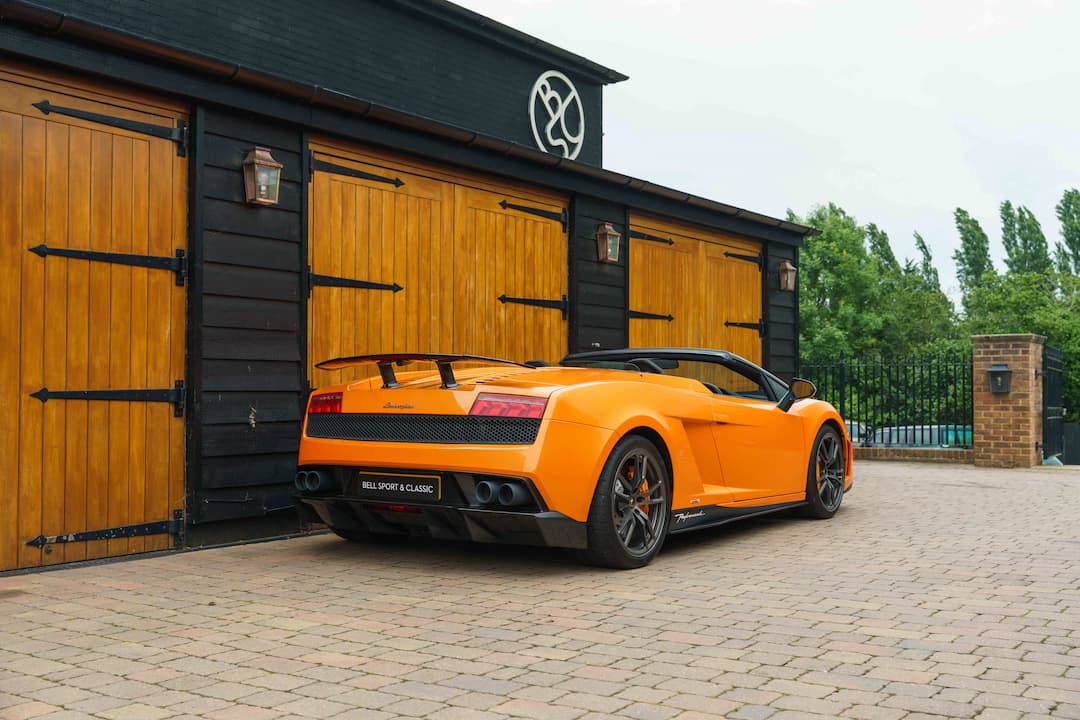
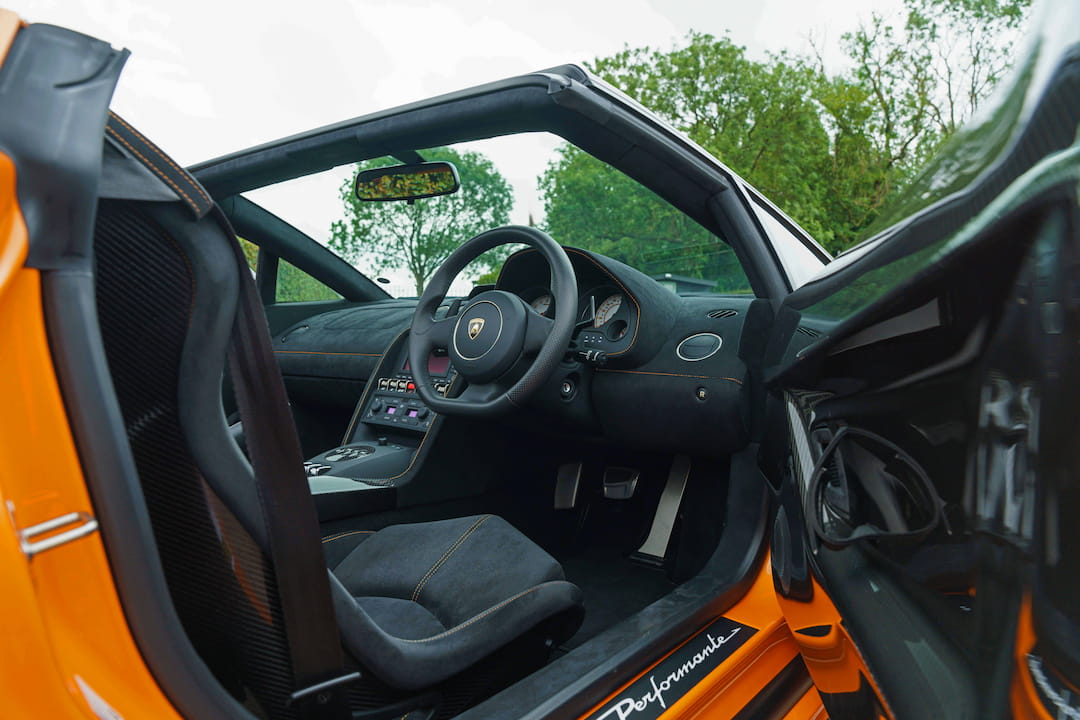
Outright performance is becoming a less meaningful differentiator. Almost every new supercar is astonishingly fast; very few can reproduce the sound, tactility and sense of occasion of a Performante Spyder or Speciale. Their significance lies not simply in what they can do, but in how they do it.
Provenance becomes technical
The complication is technology. Collectors of post-2010 cars must consider battery health, software compatibility and the long-term availability of proprietary electronic components alongside the familiar questions of mileage, condition and service history.
Over the next five years, detailed technical records and access to genuine specialist expertise are likely to become increasingly important. Evidence of preventative maintenance, diagnostic work and correct management of complex braking, suspension and electronic systems may ultimately carry as much weight as low mileage or immaculate paintwork.
The collector market of 2026 is not turning away from modern supercars; it is becoming better at distinguishing the significant from the merely expensive. The strongest cars will combine rarity, historical relevance and an irreplaceable driving experience with exceptional condition and continuous specialist provenance.
Speed is now commonplace; character is not. The cars that combine both with genuine heritage are the ones most likely to make the leap from desirable used supercar to enduring collector car.