

Where the collector-car market could be by 2031
The collector-car market is unlikely to experience another indiscriminate boom over the next five years. Instead, it will become younger, more international, more technically demanding and increasingly unforgiving of anything less than the exceptional.
A market defined by separation
The global collector-car market is not short of buyers, but those buyers have become markedly more selective.
Lockton’s first-half 2026 analysis shows that in both the US and UK markets buyers remained active but increasingly price-sensitive, with exceptional cars commanding strong competition and merely good examples struggling unless realistically priced.
That distinction is likely to define the market through to 2031. Rather than lifting all cars equally, demand will increasingly concentrate on the finest examples: rare specifications, limited-production derivatives, important provenance and cars occupying an unrepeatable place in their manufacturer’s history. As Lockton puts it, value must now be earned.
The longer-term data also points towards measured growth rather than another speculative surge. HAGI describes the global market since 2022 as being in a period of consolidation, shaped by higher interest rates, geopolitical uncertainty and competition from other asset classes. Its Top Index has produced an average annual return of approximately 4.5% over the past decade, with Ferrari and Lamborghini among the marques exceeding 5%.
Encouraging recent results suggest confidence is returning, but isolated record sales are not proof of a new market-wide boom. By 2031, the likely outcome is not that every collector car will be worth more, but that the most important examples will have separated even further from the rest. Lombard Odier and HAGI collector-car analysis.
A younger market for newer classics
One of the most important drivers of changes over the next five years will be generational. As established collectors are joined by growing numbers of Generation X and Millennial buyers, the definition of a desirable classic is moving steadily forward.
These buyers are pursuing the cars that shaped their own enthusiasm. Alongside motorsport heritage and marque history, their reference points include motoring television, magazines, films, video games and early online automotive culture. As their purchasing power grows, cars from the 1990s through to the mid-2010s should move increasingly into the centre of the collector market by 2031.
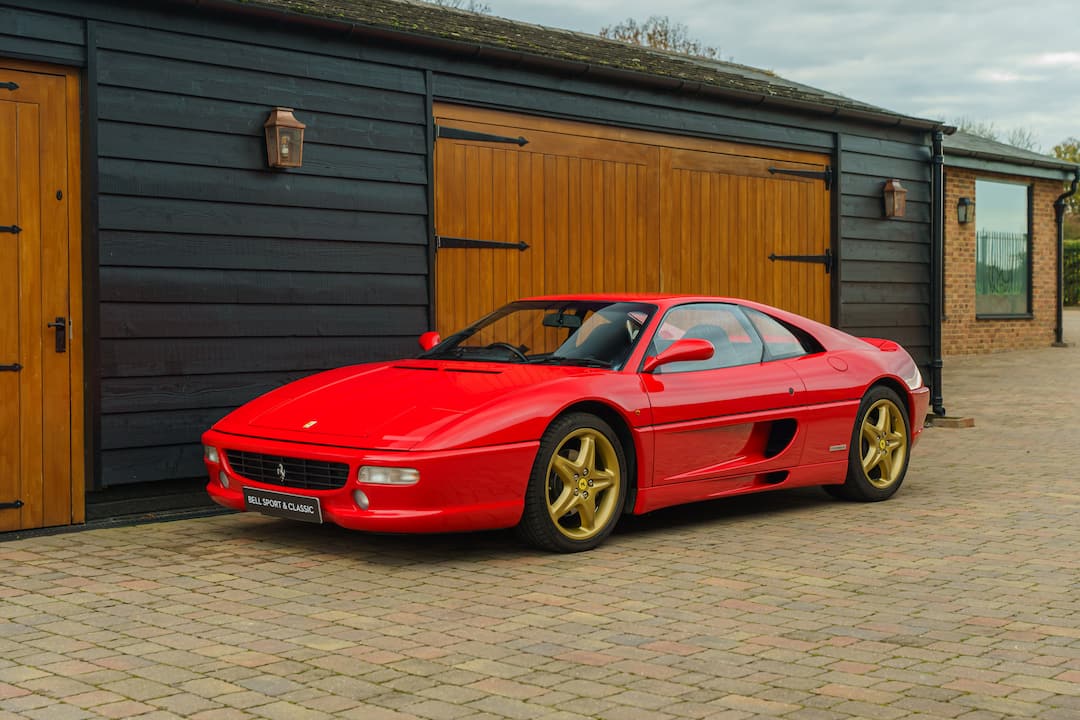
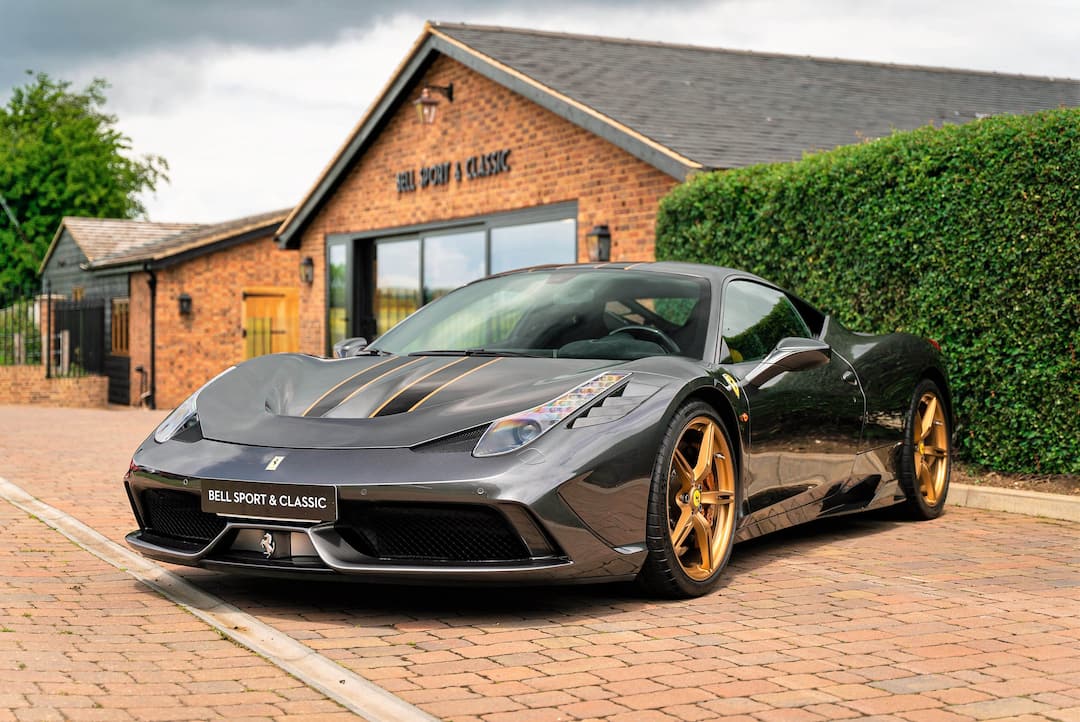
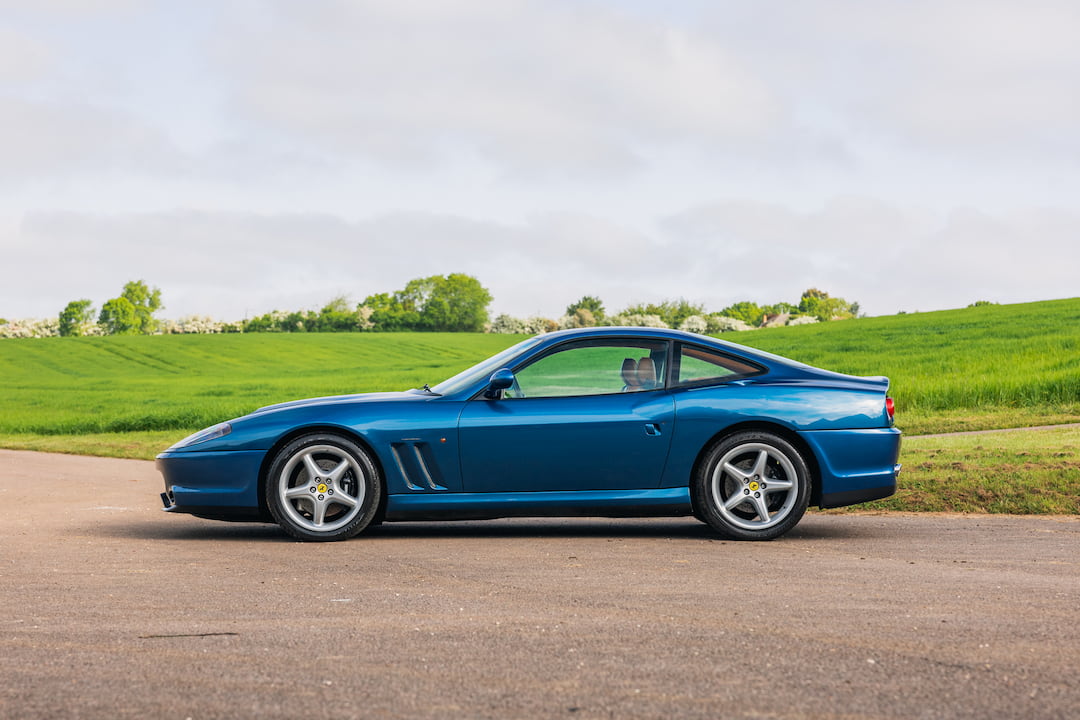
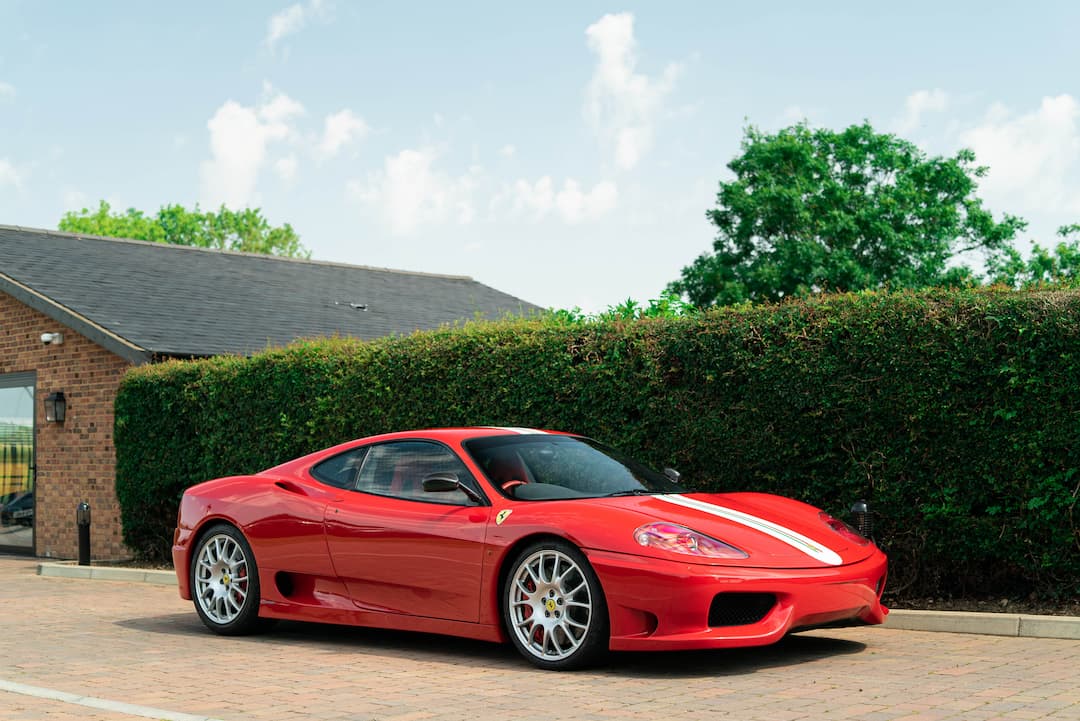
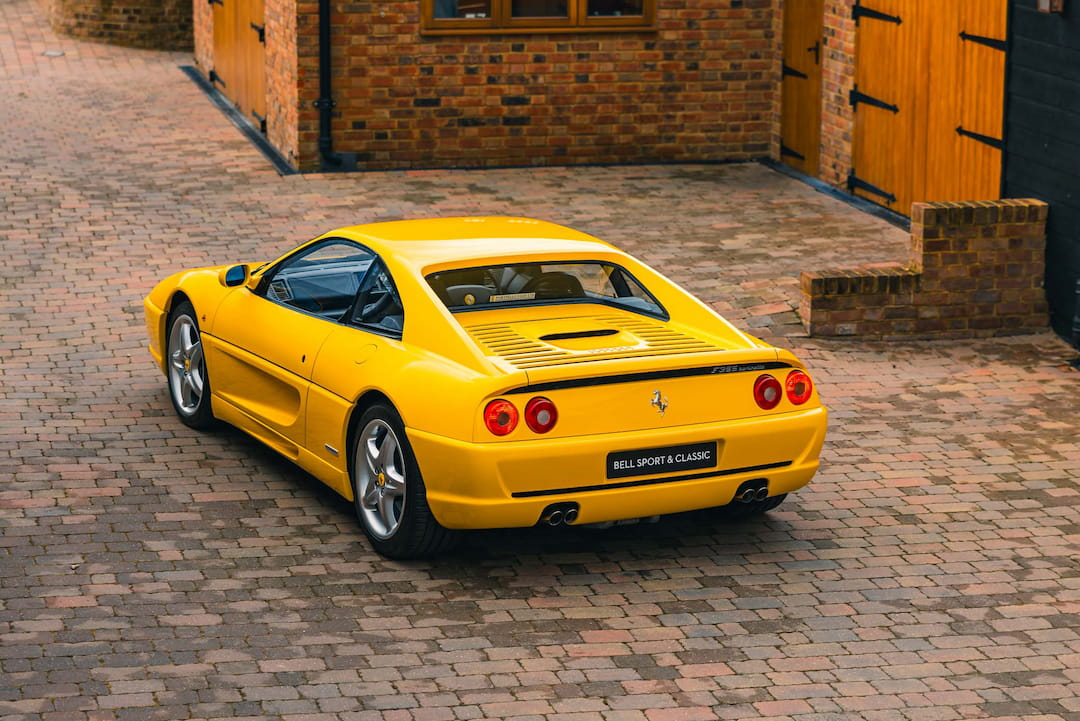
Taking Ferrari as a key indicator marque the F355, 550 Maranello and manual 575M are already benefiting. Above them, the 360 Challenge Stradale, 430 Scuderia and 458 Speciale form an increasingly well-defined hierarchy of limited-production V8 Ferraris.
The next movement may occur immediately beneath those halo models. The 458 Italia and Spider combine Pininfarina design with Ferrari’s final series-production naturally aspirated V8 platform.
Their historical position is becoming more significant with every new generation of turbocharged and hybrid Ferrari.
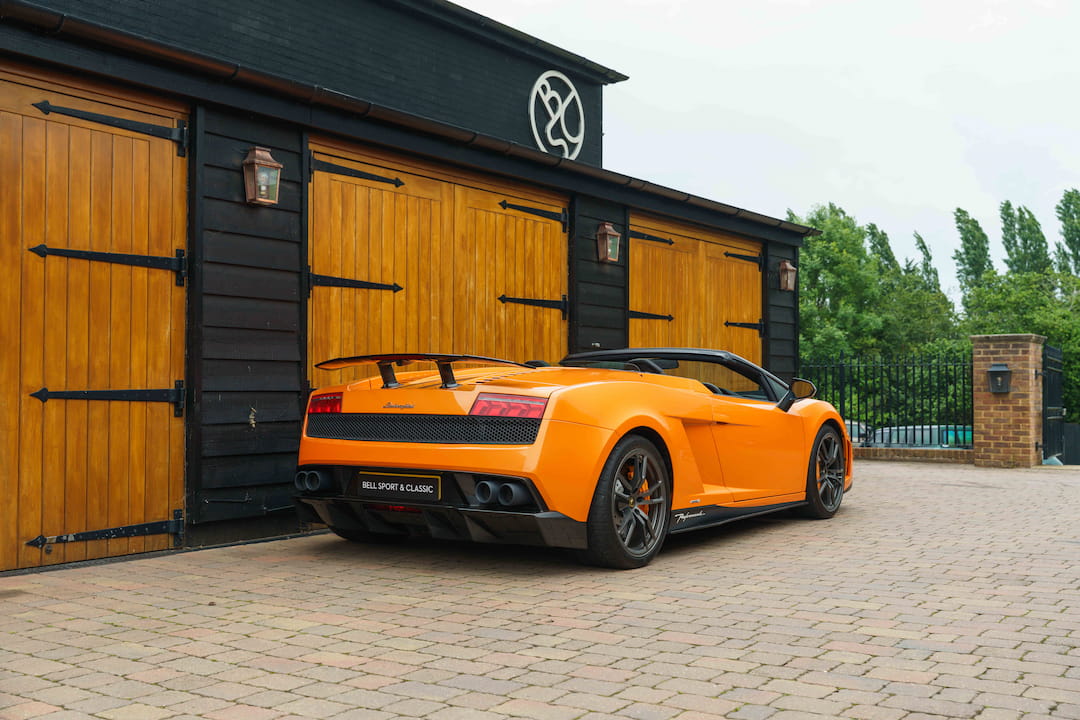
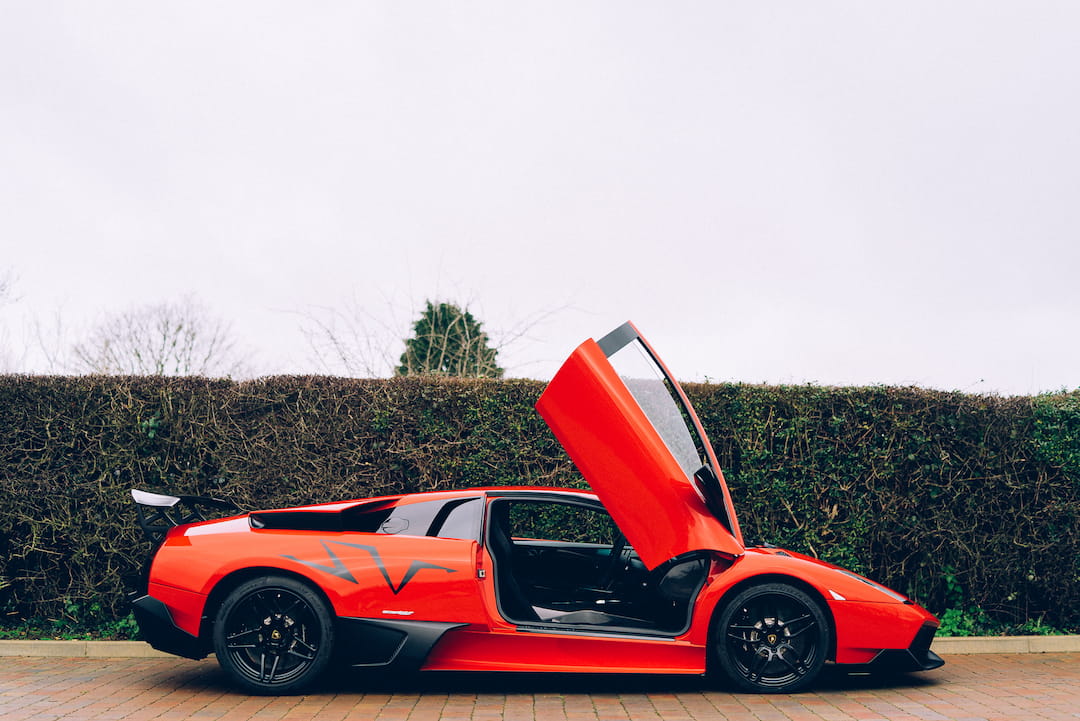
A similar progression is visible at Lamborghini. The Countach and Diablo established the marque’s analogue collector credentials, but attention is now moving through the manual Murciélago, lightweight Gallardo derivatives such as the LP570-4 Spyder Performante and into the naturally aspirated Aventador generation.
The Aventador SV Roadster possesses several characteristics likely to become increasingly valuable: limited production, open-air V12 theatre, unmistakable design and a position close to the end of Lamborghini’s non-hybrid flagship era.
Knight Frank’s 2026 research supports this broader movement, identifying cars from the late 1980s to the early 2000s as an increasingly important collector category – one already capable of outperforming more traditional classics. Knight Frank Luxury Investment Index 2026.
Experience will matter more than outright performance
Manual gearboxes, naturally aspirated engines and hydraulic steering will remain powerful attractions, but collectability will depend on more than a checklist of analogue features.
Successful cars will need a persuasive position within their manufacturer’s history: the final example of a disappearing format, the first to introduce important technology, a homologation connection or a credible relationship with competition.
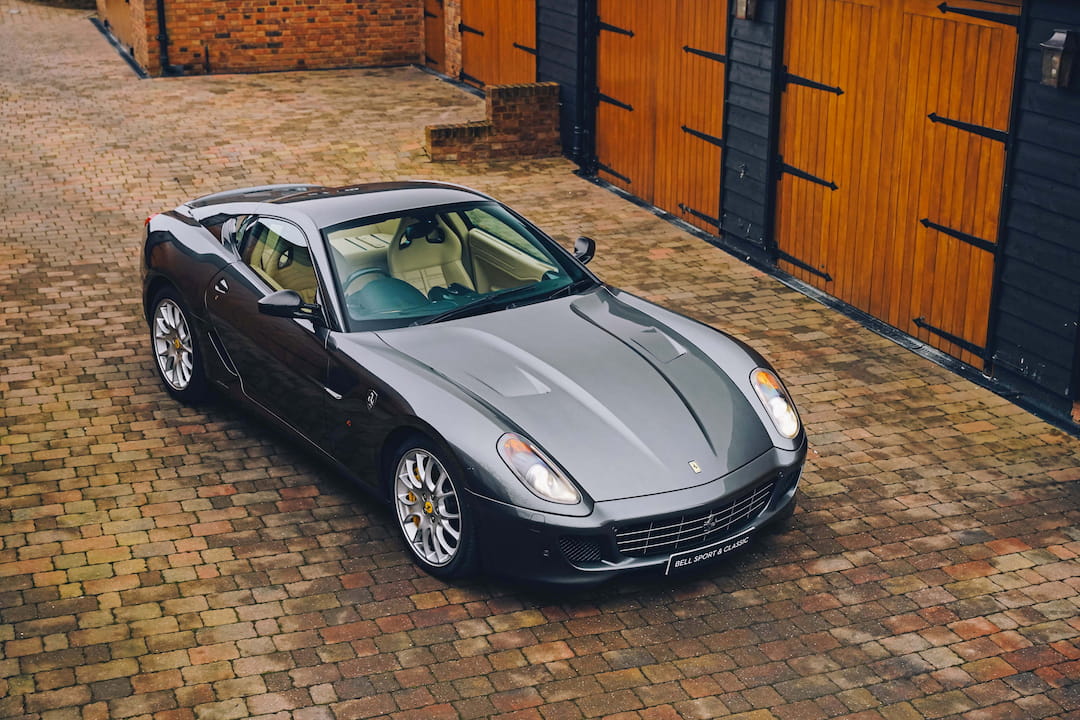
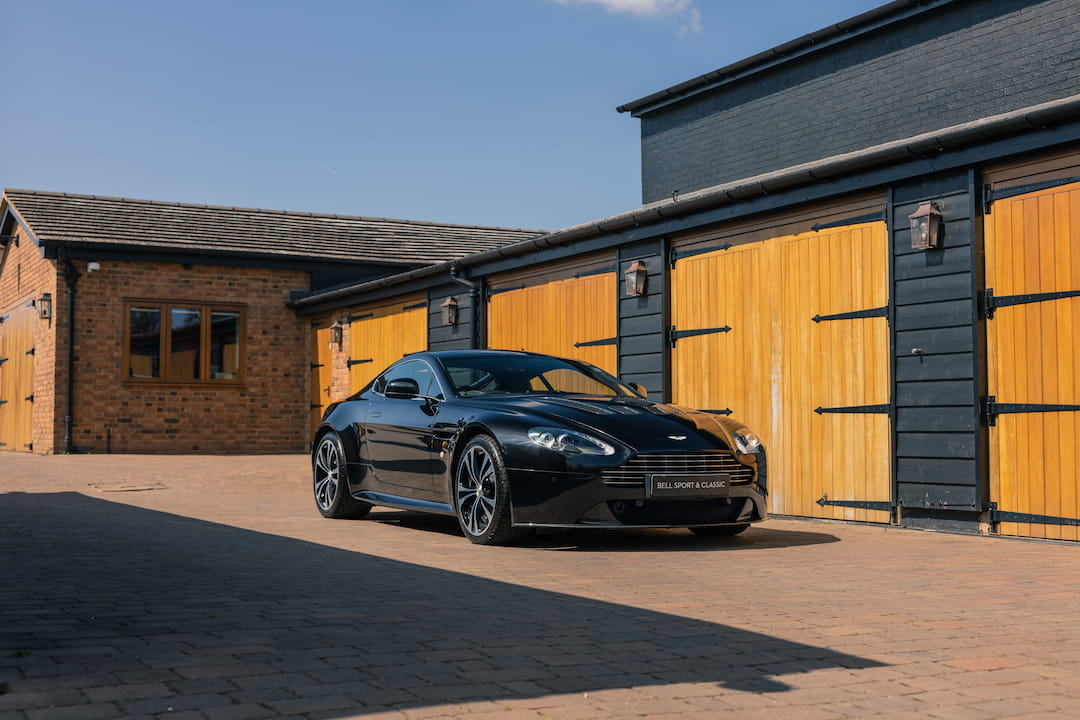
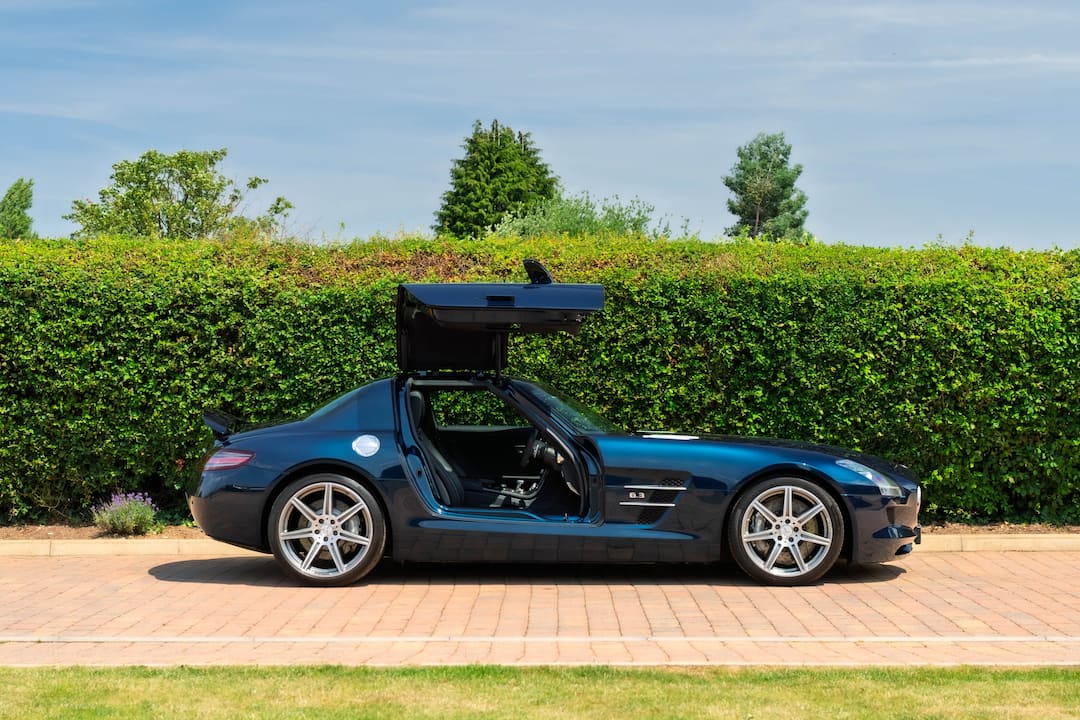
Below the already established halo models, there remains considerable scope for selective reappraisal. Standard F430s, 458s, 599 GTBs manual Audi R8 V10s, Mercedes-Benz SLS AMGs, Aston Martin V12 Vantages and carefully selected early McLarens all contain elements of a credible future collector narrative.
Provenance will become technical
As modern supercars enter their third and fourth decades, their histories will need to record more than annual servicing and mileage.
A stamped service book alone may no longer provide sufficient reassurance. The market will place greater value on continuous specialist care, documented expenditure and evidence that complex systems have been maintained rather than simply left untouched.
This may also change attitudes towards mileage. A dormant, ultra-low-mileage car can carry expensive recommissioning risks, while a properly exercised example with comprehensive technical records may offer the more dependable ownership proposition. The market should become better at distinguishing preservation from neglect.
The collector-car market of 2031 is likely to be broader in age, more international in reach and considerably more discriminating. Established blue-chip classics will retain their importance, but they will share serious collections with the defining supercars of the 1990s, 2000s and 2010s.